Clipse’s “Chains & Whips” video is a powerful portrait of legacy, faith, and survival
By: Eddy “Precise” Lamarre
Clipse has released the official video for “Chains & Whips,” and it stands as a striking cinematic reflection on family, history, and the Black experience. Directed by Gabriel Moses, the video follows the emotional arc of a Black family as they navigate the generational weight of incarceration, citizenship, and spiritual reckoning. The visual storytelling is rich with symbolism—images of confinement are juxtaposed with scenes of spiritual gathering, showing how resilience is passed down like scripture.
Pusha T delivers his verses with sharp intensity, channeling themes of power, pride, and institutional betrayal. No Malice, more reflective, brings a grounded spiritual voice that deepens the emotional impact of the video. Together, their energy draws a clear connection between legacy and the pursuit of liberation. Kendrick Lamar’s appearance acts as the soul of the piece—his words dissecting faith, trauma, and generational pain with unflinching honesty.
From the courtroom to the church, and from the yard to the dinner table, the video uses everyday spaces to comment on systems that have long defined the Black American journey. “Chains & Whips” isn’t just a music video—it’s a visual sermon, a cultural reckoning, and a bold reminder of hip-hop’s power to tell deeper truths.
Drake’s “What Did I Miss?” Signals a Ruthless New Era
-Eddy “Precise” Lamarre
Drake has always been a master of the moment, shifting moods, alliances, and soundscapes with the ease of a veteran hitmaker. But with his new single, “What Did I Miss?”, the Toronto superstar is issuing a warning. The track, which premiered July 4 during a livestream event called Iceman: Episode 1, marks the beginning of what’s shaping up to be his coldest and most calculated era yet.
The single arrives as Drake introduces a new persona: Iceman. The name draws from two distinct inspirations. One is Kimi Räikkönen, the stoic Formula 1 driver known as “The Iceman” for his cool-headed demeanor and unflinching focus under pressure. Drake has shared photos of himself wearing Räikkönen’s signature helmet and has posted subtle references to his racing persona. The second inspiration comes from George Gervin, the NBA Hall of Famer celebrated for his effortless scoring and calm presence on the court. Both figures represent a type of composed dominance that Drake seems eager to embody during this next phase of his career.
The sound of “What Did I Miss?” reflects that same energy. From the opening notes, the production is cold and minimal, built on haunting melodies and a brooding bass line. DJ Lewis, Tay Keith, FnZ, and others provide the icy backdrop, giving Drake plenty of space to deliver some of his most direct and cutting lyrics in recent memory.
Throughout the track, Drake addresses friends and associates he feels turned their backs on him during his widely publicized feud with Kendrick Lamar. His words are sharp, but his delivery is calm and detached. One lyric in particular has already sent shockwaves across social media: “I saw bro went to Pop Out with them, but been dick riding gang since ‘Headlines’.” Without naming names, Drake takes aim at those who publicly aligned with his rivals while privately benefiting from their connection to him.
The rollout surrounding the single has been as calculated as the music itself. In the livestream event, Drake appeared in a massive Toronto warehouse surrounded by ice machines, weapons, and industrial imagery, creating a stark, cold atmosphere that reinforces the themes of the song. He was shown driving a truck branded with the Iceman logo through the empty streets of the city, further pushing the narrative of isolation and emotional detachment.
What makes “What Did I Miss?” stand out from the usual diss tracks is its restraint. Drake is not interested in loud declarations or frantic back-and-forth exchanges. Instead, the song plays like a controlled strike, precise and deliberate. It is less about scoring quick points and more about drawing a clear boundary between himself and those he now views as outsiders.
The single also sets the tone for what’s expected to be his next full-length album, tentatively titled Iceman, slated for release in 2025. If this first release is any indication, the album will likely lean into colder, more stripped-down production, with Drake embracing his new persona fully. The themes of distance, loyalty, and self-reliance are front and center, signaling a shift in both his music and his approach to fame.
With “What Did I Miss?”, Drake is repositioning himself. This is not the Drake who’s looking for sympathy or trying to appeal to everyone. This is the Iceman, a figure of control and detachment, here to let the music—and the cold—do the talking.
Common at Millennium Park 20 year celebration (Photo credit: Eddy “Precise” Lamarre)
2024 is undoubtedly the year of the rap OG, returning the genre to its essence. At the year’s start, Killer Mike swept the rap category, winning Best Rap Album, Best Rap Song and Best Rap Performance. That accomplishment opened a portal to rap’s golden age. In a time dominated by auto-tune and vibes, younger artists like Travis Scott, Future and Lil Yachty have stamped their distinct styles onto the genre, helping redefine global perceptions of hip-hop culture. The storytelling and lyricism that defined rap in the ’90s seemed lost to history.
2024 has brought a resurgence of what many call “real rap,” and many of rap’s elder statesmen are drawing a line in the sand, reminding the world of their capabilities. Artists who have lived and grown with the genre have delivered projects showcasing their experience and skills. Killer Mike’s “Michael” set the stage, while Masta Ace and DJ Marco Polo followed with “Richmond Hill.” Common and Pete Rock released “The Auditorium Vol. 1,” earning Grammy nominations for Rap Song of the Year and Rap Album of the Year. LL Cool J teamed with Q-Tip for “The Force,” proving hip-hop legends can still innovate.
Other notable releases include Rakim’s “G.O.D’s Network (REB7RTH),” Ghostface Killah’s “Set the Tone (Guns & Roses)” and Ice Cube’s “Man Down.” These projects represent offerings from legends who have spent decades perfecting their craft.
Age and the Evolution of Hip-Hop
This OG takeover has inspired others from the same generation to continue following their dreams and creating new projects. All of this has sparked online debates about whether anyone should be rapping well into their 40s and 50s. Some argue older rappers should step aside and become mentors. Others see no reason for rappers to “age out” of creating their art.
Imagine if the Rolling Stones felt they aged out of rock ‘n’ roll. Rock legends perform and record well into their 70s and are celebrated. Why should rap be different? “Our storytelling gets better with age,” LL Cool J said. Storytelling has always been rap’s core. Who better to reflect on life’s challenges than those who have lived it? Styles have changed, new styles emerged and there’s always space for styles that were popular 20 or 30 years ago.
Hip-hop at 50 points to the culture’s endurance and relevance. Creativity has no expiration date. As Killer Mike said, “I’m going to do this until I physically can’t do it anymore. What you’re hearing now is the perspective of a 48-year-old Black man who has lived enough life to actually have something to say.”
Follow your dream, create your art no matter how old you are. What you have to offer matters, and the world is better for it. Whether you’re a 20-year-old newcomer or a 50-year-old veteran, your voice is valid. Hip-hop, like life, is an ever-evolving journey. These seasoned artists aren’t just making music; they’re showing us how to grow, adapt and stay true to ourselves.
Notable 2024 Releases:
Masta Ace and DJ Marco Polo – “Richmond Hill”
Common and Pete Rock – “The Auditorium Vol. 1”
Rakim – “G.O.D’s Network (REB7RTH)”
LL Cool J and Q-Tip – “The Force”
Ghostface Killah – “Set the Tone (Guns & Roses)”
Eminem – “The Death of Slim Shady”
The Dogg Pound – “W.A.W.G. (We All We Got)”
MC Lyte – “1 of 1”
Ice Cube – “Man Down”
2024 is proving to be a pivotal year for hip-hop, reminding us that age isn’t a limitation but a superpower. These artists are living proof that rapping at 50 is not only possible but essential to the culture they helped build.
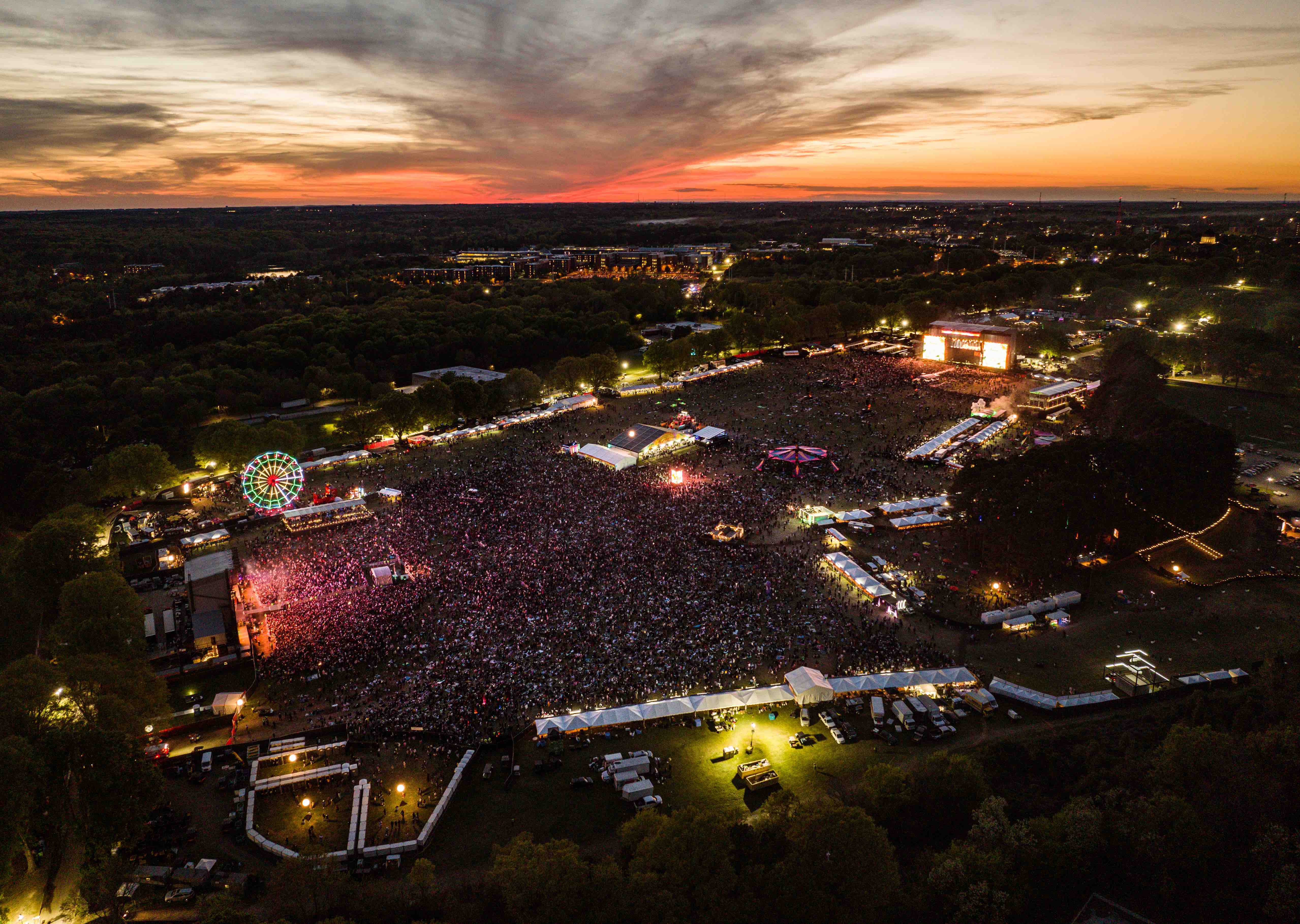
Dreamville Festival, the brainchild of hip-hop icon J. Cole and his powerhouse label Dreamville, is gearing up for another epic year. Set to take over Raleigh’s scenic Dorothea Dix Park on April 5-6, 2025, the festival has become a defining moment in the music calendar, blending incredible performances with a celebration of culture and community.
After breaking records in 2024 with 100,000 attendees from across the United States and beyond, Dreamville Festival is primed to surpass expectations yet again. Presale tickets go live on December 11 at 9 a.m. EST, offering General Admission (GA), GA+, and VIP options. Early buyers can lock in the best rates, as prices are expected to climb closer to the event. If presales sell out, general ticket sales will follow.
This isn’t just another music festival; it’s an immersive experience. From live art installations and local food vendors to Dreamville’s iconic Ferris wheel—where attendees can take in breathtaking views of Raleigh’s skyline—every detail reflects a thoughtful curation of music, art, and community. The festival also shines a light on meaningful causes, with proceeds supporting the Dreamville Foundation and Dix Park Conservancy.
Dreamville Festival has become synonymous with economic and cultural impact. With an annual contribution of $145 million to Wake County’s economy, the event not only entertains but also bolsters local businesses and nonprofits. Vendors, artisans, and muralists transform the park into a vibrant hub of creativity, while Nonprofit Row provides a platform for community organizations to connect with festival-goers.
At its heart, the festival is a love letter to J. Cole’s home state of North Carolina and the global Dreamville family. It’s a chance to celebrate what makes the brand a cultural powerhouse while delivering two days of unforgettable music and camaraderie.
Whether you’re a loyal fan or new to the Dreamville universe, this event offers a unique blend of energy, connection, and creativity. Mark your calendars and set your alarms—this is a moment you won’t want to miss.
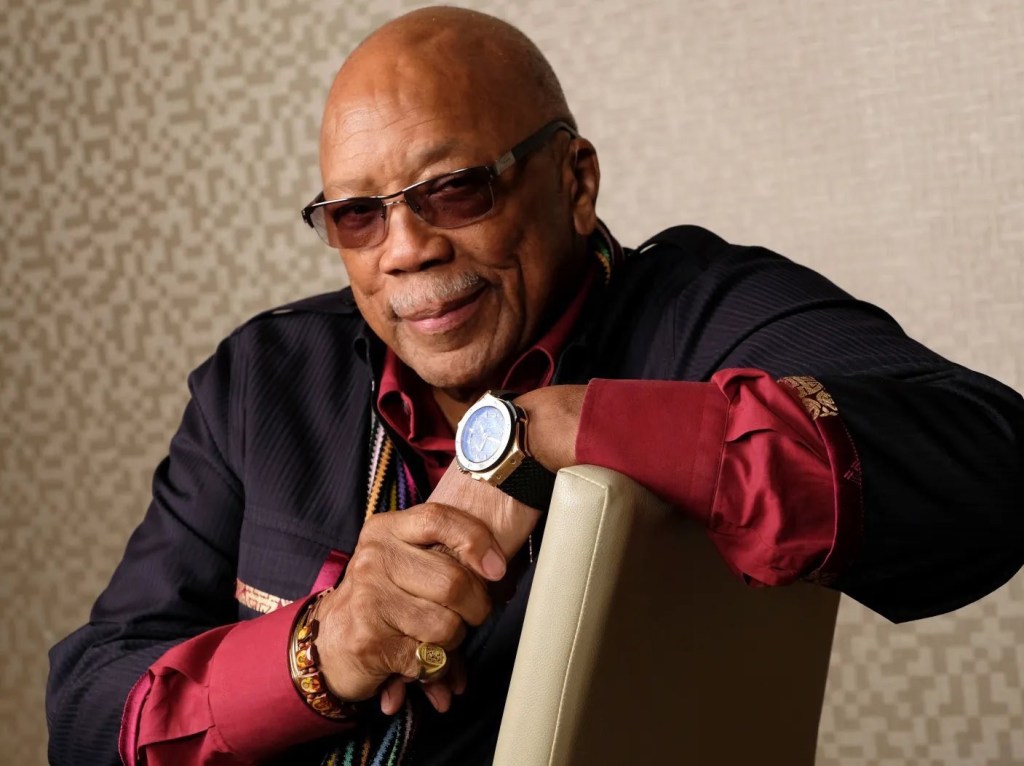
Legendary producer Quincy Jones has died at age 91. Jones was a titan in the music industry with a career spanning more than seven decades. His collaborations read like a who’s who of American music.
The South Side of Chicago native, born March 14, 1933 made an impact across multiple musical genres. The 28-time Grammy Award winner remained a mainstay in the entertainment industry.
He began as a jazz musician, touring with Lionel Hampton in 1953 at age 20. After working as a studio musician for Elvis Presley, he toured with Dizzy Gillespie in the Middle East. In 1957, he moved to France and became a music director. He later toured North America and Europe with his 18-person band, the Jones Boys.
In 1961, Jones became the first Black vice president at Mercury Records. Throughout his storied career, Jones worked on nearly 40 major motion picture scores. He produced the iconic “Sanford and Son” theme, and his song “Soul Bossa Nova” became the theme for the blockbuster film “Austin Powers.”
Jones collaborated with Frank Sinatra, Billy Eckstine, Dinah Washington and Sarah Vaughan. He produced the soundtrack for “The Wiz” in 1978 and Michael Jackson’s record-breaking album “Thriller.” His film “The Color Purple” received 11 Academy Award nominations and introduced Whoopi Goldberg and Oprah Winfrey to global audiences.
In 1985, he united music’s biggest stars to perform “We Are the World” to raise money for famine relief in Ethiopia. He leveraged industry relationships to bring artists including Ray Charles, Willie Nelson and Diana Ross together to record the charitable song.
In the 1990s, Quincy Jones Entertainment brought “The Fresh Prince of Bel-Air” to television, launching Will Smith’s career as one of Hollywood’s most successful stars.
Jones recently partnered with Chance the Rapper and Jennifer Hudson to reopen the Ramova Theatre on Chicago’s South Side.
His extraordinary career achievements are too numerous to list completely. His impact on music and entertainment will resonate for generations.
His family shared a statement below.
“Tonight, with full, but broken hearts, we must share the news of our father and brother, Quincy Jones’ passing,” the statement read. “And although this is an incredible loss for our family, we celebrate the great life he lived, and know there will never be another like him. He is truly one of a kind and we will miss him dearly; we take comfort and immense joy in knowing that the love and joy, that were the essence of his being, was shared with the world through all that he created. Through his music and his boundless love, Quincy Jones’ heart will beat for eternity.”
Jones is survived by seven children. Funeral arrangements are pending.
Can the Genre Move Past Violence and Find a New Voice?
By: Eddy “Precise” Lamarre
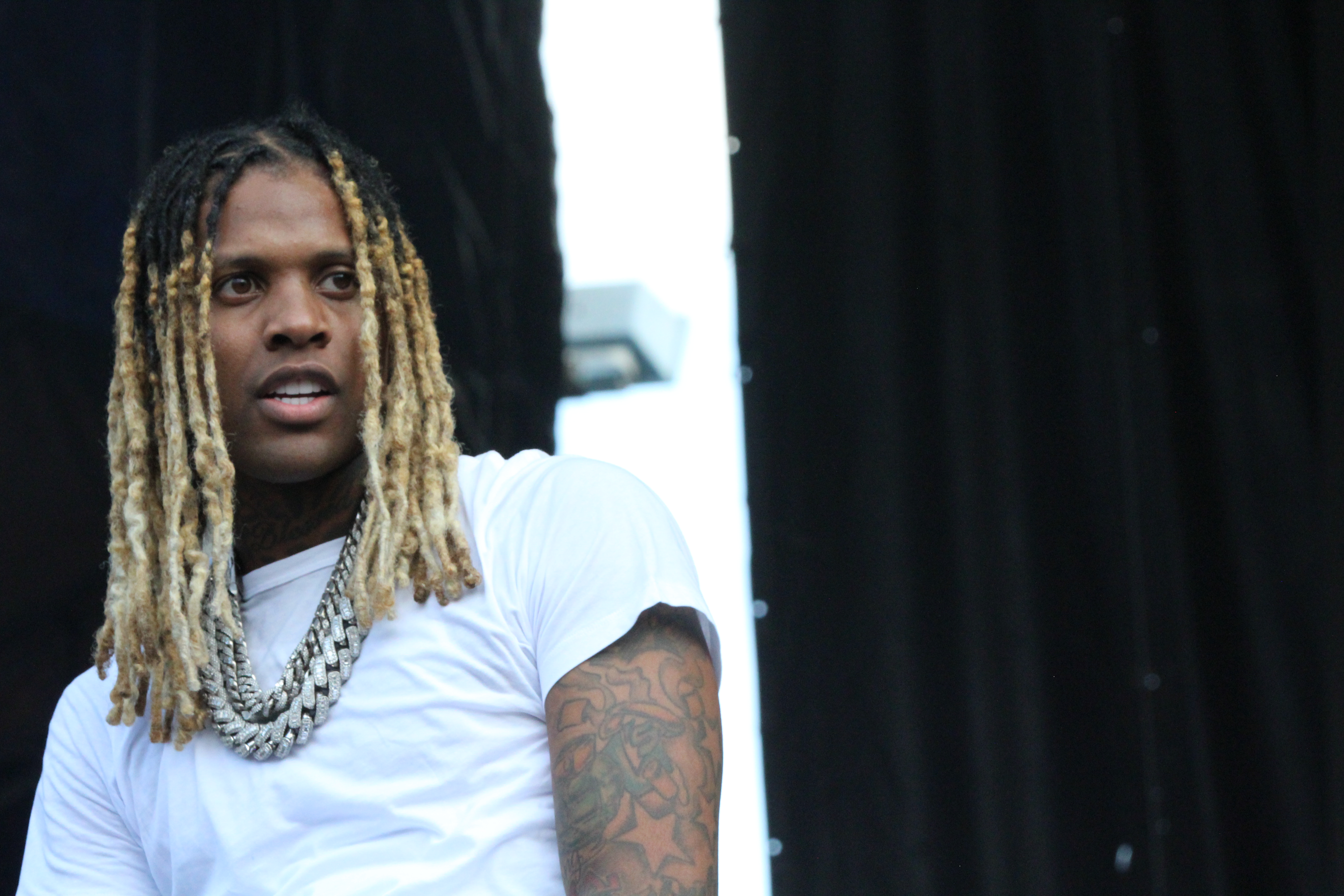
Lil Durk, a cornerstone of Chicago’s drill music scene, was recently arrested in Broward County, Florida, on charges linked to a murder-for-hire scheme. This arrest has sent shockwaves through both the rap community and fans worldwide, not only because of the gravity of the accusations but also because it highlights the delicate balance between art and street life—a balance that drill music has both celebrated and blurred for over a decade.
The Origins of Drill: From Chicago’s Streets to a Global Movement Drill music emerged in Chicago’s South Side in the early 2010s, reflecting the harsh realities of life in under-resourced neighborhoods. With its grim beats, haunting melodies, and brutally honest lyrics about gang violence and survival, drill quickly became the voice of a generation grappling with poverty, systemic neglect, and crime. Chief Keef, widely regarded as one of the pioneers of the genre, catapulted drill into the mainstream with “Don’t Like”, recorded while under house arrest. The accompanying video, shot in his grandmother’s living room, embodied the rawness of the movement: unpolished, urgent, and unfiltered.
Drill music became an audio diary of real-life conflicts. Lil JoJo’s murder in 2012, just hours after he posted a video taunting rivals, underscored the genre’s connection to actual street violence. As artists like King Louie, G Herbo, and Lil Durk rose to fame, they carried with them the weight of these street rivalries. The music was not just entertainment—it was a survival mechanism, both documenting and driving conflicts, often amplifying tensions between factions like O Block and Tookaville.
Drill’s Global Reach: From London to New York What began in Chicago soon found new life across the Atlantic. In London, artists like Skepta and Headie One embraced drill’s style, giving birth to UK drill, a subgenre that fused Chicago’s original sound with the distinctive grime beats of British hip-hop. The UK’s adaptation added a new lyrical flair and further spread the genre’s influence into European rap scenes.
In New York, drill took on a new identity thanks to artists like Pop Smoke, whose infectious hits like “Dior” and “Welcome to the Party” fused traditional drill beats with melodic hooks. New York drill evolved into a hybrid of Chicago’s original intensity and more commercial-friendly sounds, helping drill achieve mainstream global success. These adaptations have made drill a dominant force not only in the United States but also across the Caribbean, Australia, and Africa, becoming a powerful cultural export from Chicago’s streets.
However, while drill’s growth has elevated many artists, it has also carried the genre’s reputation for inciting violence. Diss tracks, which call out rivals directly or refer to fallen enemies, have become both a hallmark of the music and a trigger for real-world retaliation. This violent connection, unfortunately, remains drill’s Achilles’ heel.
Lil Durk: A Career Marked by Triumph and Tragedy Few artists embody the duality of drill music like Lil Durk. Over the past decade, Durk has become not only one of Chicago’s most successful exports but also one of its most controversial. He’s achieved Grammy recognition and released multiple platinum albums, but his career has been marred by the loss of friends and family members—many of whom have fallen victim to the violence that the music both reflects and perpetuates.
In 2021, Durk’s brother, DThang, was fatally shot outside a nightclub near Chicago, adding to a long list of personal losses. One of Durk’s closest collaborators, King Von, was also killed in 2020 in Atlanta during an altercation with associates of Quando Rondo. These losses deepened Durk’s connection to the very conflicts that drill music has documented.
Most recently, Durk was named in a civil lawsuit filed by FBG Duck’s family, accusing him and his OTF label of placing a $100,000 bountyon Duck’s life, leading to his murder in the Gold Coast district of Chicago in 2020. Federal authorities claim that the murder-for-hire plot was part of an escalating war between factions tied to O Block and Tookaville. The lawsuit argues that record labels profited from the violence, capitalizing on the fame generated by street conflicts that were amplified through diss tracks.
The Arrest: A Turning Point for Durk and Drill? Durk’s arrest in October 2024comes at a time when the hip-hop industry is facing increased scrutiny over artists’ involvement in criminal activities. Young Thug is currently on trial under RICO charges, and rap mogul Sean “Diddy” Combs is also under investigation. These high-profile legal battles reflect a growing effort by law enforcement to crack down on the blurred lines between music and street activity.
Just days before his arrest, Durk seemed to be turning a corner, hosting an international day of prayer in Chicago and receiving keys to the cities of Broadview and Bellwood. Many saw these gestures as a sign of redemption—a potential shift away from the violence that has defined much of his career. However, his recent arrest threatens to undo that progress and raises questions about whether drill artists can ever truly escape their past.
What’s Next for Drill Music? Lil Durk’s arrest could mark a pivotal moment for drill music. With rising concerns over violence, the genre is at a crossroads. Some believe that the arrest of key figures like Durk could signal the beginning of the end for drill as we know it, as law enforcement continues to scrutinize artists with street affiliations. Others argue that the genre will evolve, shedding its violent roots while maintaining its gritty authenticity.
For many fans, drill represents more than just music—it’s a lifeline and a form of storytelling that captures the struggle of young Black men navigating systemic inequality. Artists like Durk, Chief Keef, and G Herbo have used music as a way out, proving that art can be a powerful tool for both self-expression and survival. However, as the genre’s violent reputation persists, the question remains: Can drill music evolve without losing its essence?
Grammy Winner Faces Federal Investigation Amid a Violent Legacy
Chicago drill icon Lil Durk, born Durk Devontay Banks, has been arrested in Broward County, Florida, in connection with a murder-for-hire scheme. The shocking development comes just days after the rapper held a “Day of Prayer” in Chicago and received keys to the cities of Broadview and Bellwood, leaving the public stunned at the dramatic fall of one of rap’s biggest stars.
Federal authorities charged several members of Only The Family (OTF), Durk’s notorious collective, in the killing of a close relative of rapperQuando Rondo—a move the feds suggest was retaliation for the 2020 murder of King Von, Durk’s protégé and longtime friend. Von, whose real name was Dayvon Bennett, was gunned down in Atlanta, setting off a series of violent events that have escalated tensions within Chicago’s drill music scene and beyond.
The arrest on October 24 is the latest chapter in the saga of a rapper who has achieved both mainstream success and infamy in equal measure. Over the past two years, Durk has solidified his place in the industry with multiple platinum records and a Grammy win. Yet, his rapid ascent has been shadowed by relentless street conflicts that intertwine music, loyalty, and revenge.
A Tale of Violence and Vengeance The allegations against Durk go deeper than just one murder. He now faces a civil lawsuit filed earlier this month, accusing him of orchestrating a plot to kill FBG Duck—another rapper whose death sent shockwaves through Chicago’s streets. Duck, born Carlton Weekly, was murdered in a brazen, daylight ambush in the Gold Coast neighborhood in 2020. According to attorney Roosevelt Allen, the lawsuit claims a$100,000 bounty was placed on Duck’s life, raising questions about just how far Durk’s influence reaches beyond the mic.
Duck’s murder has haunted Chicago’s drill community, with his mother, LaSheena Weekly, tirelessly demanding justice. The tension between Tookaville, where Duck was affiliated, andO Block, home to many of Durk’s allies, has turned into a deadly rivalry played out through music, social media, and the streets. Many believe King Von’s death further fueled this feud, leading to the retaliatory attack that now ensnares Durk in a federal investigation.
From City Honors to a Jail Cell Durk’s arrest comes at a time when he appeared to be turning a new leaf. Just days before his apprehension, he hosted a public prayer event in Chicago, signaling a shift towards peace. Receiving keys to the cities of Broadview and Bellwood seemed to mark the beginning of a new chapter for the rapper—but the celebrations were short-lived.
The federal investigation has exposed the dark undercurrents of Chicago’s drill scene, where music often serves as both art and a battlefield. For years, Durk has walked the fine line between mainstream acclaim and street affiliations. Now, that balancing act appears to be crumbling under the weight of federal scrutiny.
Durk’s legal troubles add to the growing concerns over the drill genre’s impact on rising violence. The case against him and the OTF crew highlights the blurring of lines between artistry and street justice, forcing a reckoning within the rap community. As authorities untangle the web of revenge and retaliation, Durk’s future—and the fate of his empire—hangs in the balance.
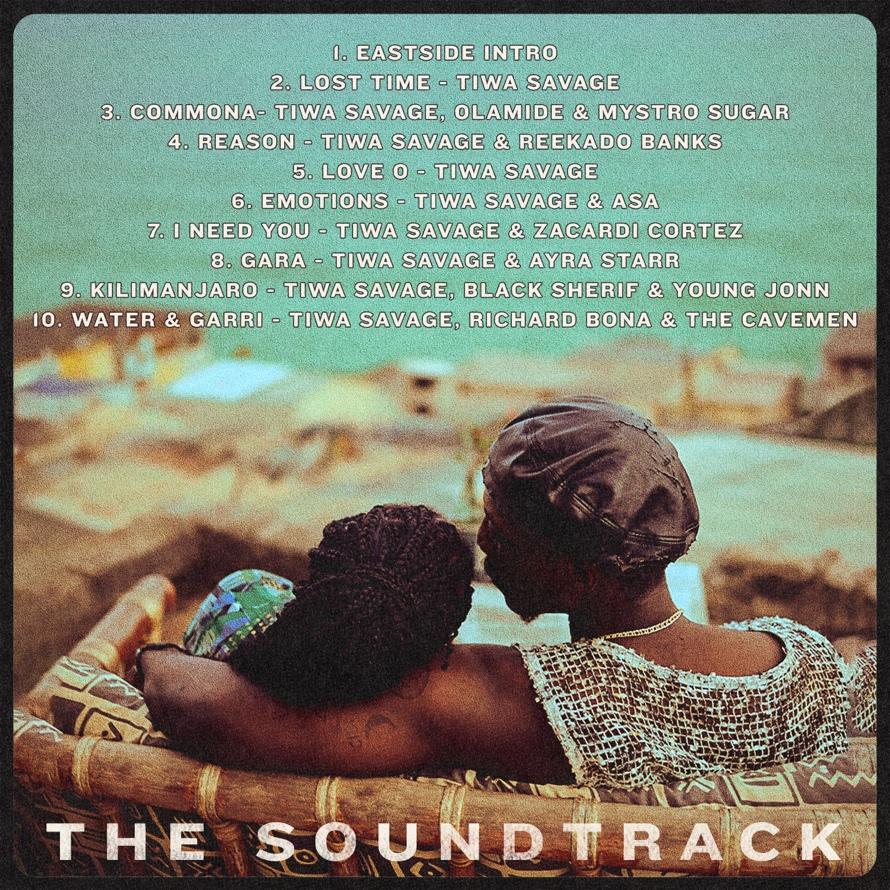
Tiwa Savage, the anointed queen of Afrobeats, unveils her latest artistic venture with the release of “Water & Garri,” a feature film accompanied by a soundtrack that she personally curated. Premiering on Amazon Prime Video, the film’s release is perfectly synchronized with the soundtrack, available through EMPIRE, highlighting Savage’s meticulous approach to her craft.
“Water & Garri” transcends the traditional boundaries of film and music, offering a lush, auditory experience comprised of ten original tracks. Tiwa Savage collaborates with a dynamic roster of artists across genres, including Grammy-nominated Olamide and Ayra Starr, respected Nigerian singer-songwriter ASA, Cameroonian multi-instrumentalist Richard Bona, gospel sensation Zacardi Cortez, and emerging talents such as Black Sherif, Young Jonn, MystroSugar, and The Cavemen.
The soundtrack is a rich tapestry of Afrobeat, Afropop, amapiano, R&B, gospel, and even elements of mainstream trap and pop. Variety magazine praises the soundtrack for its “heavy use of live instrumentation and ambient sound effects,” which enhance the immersive experience, while Savage’s signature overtone-singing adds a unique texture.
Tiwa Savage expressed her enthusiasm for the project, noting the creative freedom it afforded her. “People expect a certain sound from me, but in doing a soundtrack, I could experiment,” Savage says. She emphasizes her commitment to infusing African culture into her work, whether through fashion or music, celebrating the beauty of her heritage.
The film “Water & Garri” is a significant milestone in Savage’s career, marking her debut as both lead actress and Executive Producer. Set in the vibrant yet tumultuous environment of Cape Coast, Ghana, the film follows Aisha, an ambitious fashion designer who returns to her native Eastside after a decade in the United States. Confronted with escalated violence and unresolved tensions, Aisha navigates reconnecting with her past while confronting personal guilt.
Directed by Meji Alabi, the film features compelling performances by Mike Afolarin, Andrew Bunting, and Jemima Osunde, woven together with captivating cinematography that brings the story of “Water & Garri” to life.
Reflecting on her illustrious career, Tiwa Savage celebrated the 10th anniversary of her debut album “Once Upon A Time” in July 2023. Her journey since then has been marked by significant achievements including collaborations with global icons like Beyoncé, Chris Martin, and Nas, and a historic win at the MTV European Music Awards as the first female Best African Act. Her tours in North America and Europe were highly successful, and in 2023, she performed at the Coronation Concert for King Charles II, representing The Commonwealth. Looking ahead, Savage is set to headline a major concert at London’s Wembley Arena in 2025, continuing to elevate her status as a global music phenomenon.





 Precise