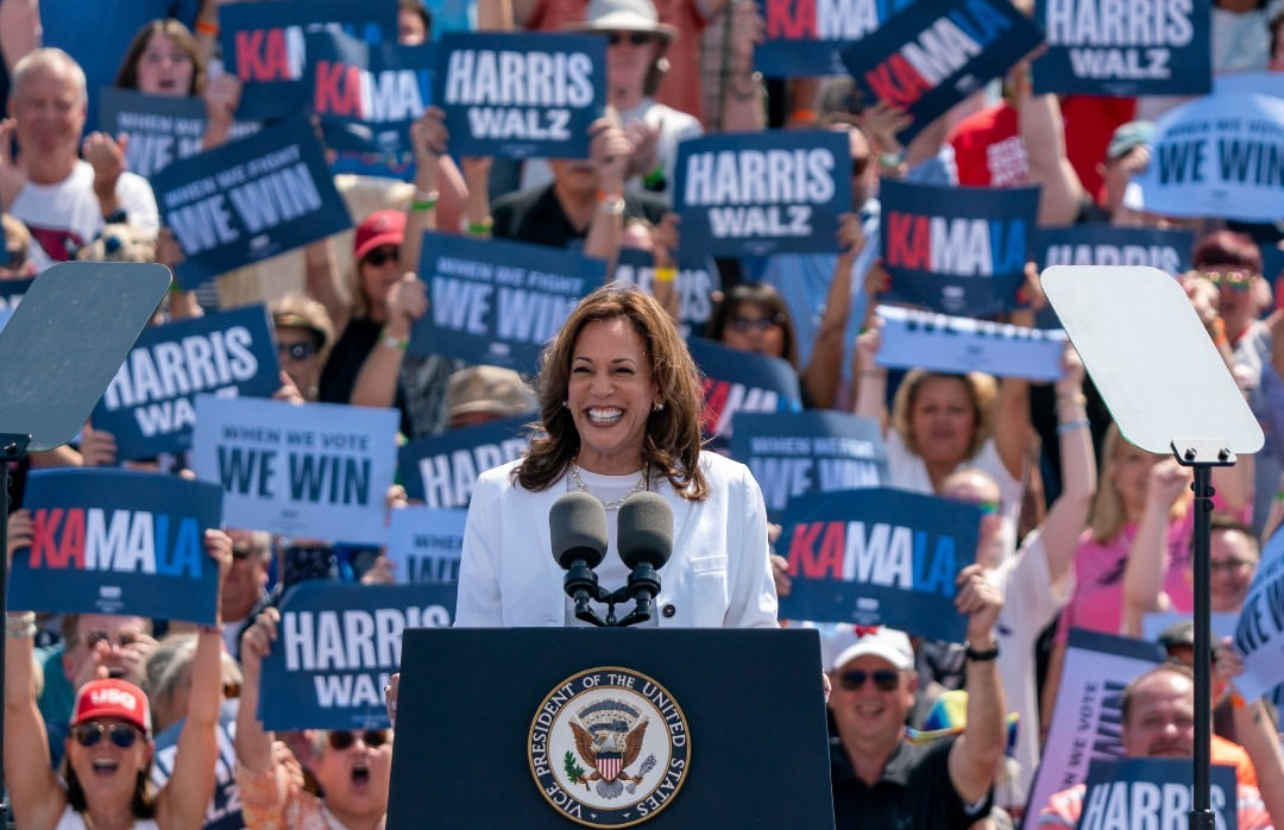
Kamala Harris, Vice President of the United States (Photo source: instagram @kamalaharris)
This election has been historic for all the wrong reasons.
It’s 2024, and Joe Biden is president of the United States, while Vice President Kamala Harris is running to become president. Her opponent, the 45th president and a convicted felon, is believed to have incited supporters to storm the Capitol on Jan. 6, 2021.
All of that, for lack of a better word, sounds CRAZY! However, what’s crazier is that it’s all true and has created unprecedented political tension in this country. It permeates our computer and cellphone screens. People are choosing sides, many blindly. While Black men have been targeted as a demographic that could prevent Harris’s election, White women actually wield that electoral power. Recent election data shows this clearly: White women have consistently represented 37% of the electorate in presidential elections. In 2020, 53% of White women voted for Trump over Biden, similar to 2016 when 52% supported Trump over Hillary Clinton.
Trump has been hitting the campaign trail, energizing his base with controversial remarks and behavior. The recent rally at Madison Square Garden drew comparisons to Nazi rallies held on Feb. 20, 1939. Comedian Tony Hinchcliffe’s comment calling Puerto Rico an “island of garbage” was met with widespread criticism.
These events have overshadowed the truly historic moment before us. Harris is an election away from becoming the first woman to hold the nation’s highest office. If successful, she would accomplish what Hillary Clinton could not. Harris follows in the footsteps of Shirley Chisholm, the first Black woman elected to Congress and the first Black person and woman to run for president. In 1972, Chisholm’s campaign was considered bold and, to many, improbable. However, its impact reaches 52 years into our present.
Harris, who already made history as the first woman vice president of South Asian and Caribbean heritage, stands on the precipice of changing history. This HBCU graduate, former California attorney general and proud member of Alpha Kappa Alpha Sorority Inc., could become the first Black woman to hold the highest office in the land, representing progress in a country built on the foundation of racism and slavery.
When you go to the polls this week to make your selection, consider what side of history you want to be on and which historic moment matters most to you
Buckshot at African Fest in Chicago (Photo credit: Eddy “Precise” Lamarre)
All Hip-Hop recently reported that Brooklyn rapper Buckshot was severely beaten. A Facebook post by Sista Asia Wildenboar shows a picture of herself with the rapper and text reading “Please pray for Buckshot of Boot Camp Clik was beaten half to death in Flatbush NYC. My heart goes out to him.”
A graphic video circulating on X shows a beaten and bloodied man resembling Buckshot struggling to stand. A man can be heard making jokes in the background as another appears to assist Buckshot.
The rapper, born Kenyatta Blake, was the frontman for Boot Camp Clik and Black Moon. He helped develop a sound that defined hip-hop’s golden age in the 1990s. The remix to “I Got Cha Opin” samples Barry White’s 1977 track “Playing Your Game Baby” and features Buckshot rhyming in a unique, memorable cadence that became his trademark.
In 1994, Buckshot co-founded Duck Down Management with Drew “Dru Ha” Friedman, managing Black Moon and Smif-N-Wessun. Buckshot has collaborated with legends like KRS-One and producer 9th Wonder.
There have been no other reports regarding Buckshot’s status since the attack.
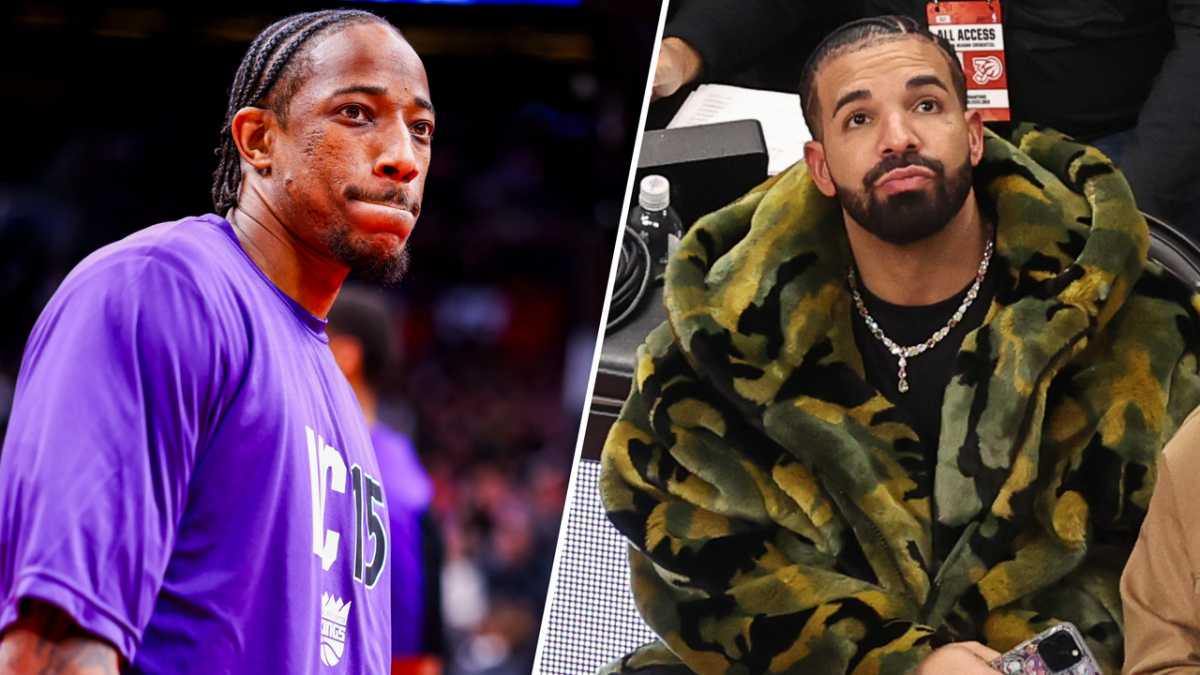
The Kendrick vs. Drake battle is a battle that keeps giving us cultural moments. On November 2, 2024 the Sacramento Kings faced the Toronto Raptors in Toronto. The night started off with the Raptors legend Vince Carter having his jersey retired. Many a celebrity was on hand to witness this moment but none bigger that the Toronto native Drake.
Drake has been popping up more and more since losing his most recent battle. This battle has caused rifts between Drake and many who he considered friends. DeMar DeRozen, once one of Drakes closest friends was the target of a few bitter remarks from the Canadian rapper. It hasn’t always been like this.
From 2009 to 2018 Drake and DeRozan’s friendship was a cornerstone of Toronto basketball culture. Drake consistently championed DeRozen from his court-side seats and the pair appeared on the cover of SLAM magazine. This relationship seemingly crumbled as a result of DeRozen appearing at Kendrick Lamar’s “The Pop Out” concert in June of 2024 and followed it up with a cameo in the “Not Like Us” music video. Drake unfollowed DeRozen and others and his recent actions at the Raptors game demonstrate a certain level of disdain.
At the game Drake is seen on video mouthing “F-k outta here p–y” as DeRozen passed by. And, during the Raptors broadcast Drake mentioned that if they were to ever retire DeRozen’s jersey he would personally “go up there and take it down” DeRozen responded with a laugh saying “He gonna have along way to climb to take it down. So, tell him good luck”
The way that this is happening is in classic Drake form. He does these types of things in public forums and always uses an element of humor to soften the blow. He has mastered the art of creating viral moments and being a troll. The idea of Drake being a tough guy is hard to digest when we take his content and music into consideration. However; the fact that this conversation is on everybody’s mind shows that he has succeeded in being the most talked about rapper yet again.
Do you think this battle is real or is Drake being a troll? Share in the comments.
Timeline: Drake and DeRozan’s Evolution from Friends to Foes
2009: DeRozan drafted by Toronto Raptors, marking the beginning of his relationship with Drake
2010-2018: Drake and DeRozan develop close friendship during DeRozan’s tenure with the Raptors
2016: The duo appears on SLAM Magazine’s “6 Gods” issue cover
2018: DeRozan traded to San Antonio Spurs; Drake posts emotional tribute: “To my brother @demar_derozan I want to say 10 million thank you’s on behalf of YOUR city”
2021: DeRozan joins Chicago Bulls
June 2024: DeRozan appears at Kendrick Lamar’s “The Pop Out” concert in Los Angeles
July 2024: DeRozan makes cameo in Kendrick’s “Not Like Us” music video; maintains “Drake’s still my man”
October 2024: Drake addresses loyalty at Toronto’s Nostalgia Party, unfollows DeRozan on Instagram
Nov. 2, 2024: Drake caught on video making hostile remarks as DeRozan passes by; later threatens to remove DeRozan’s jersey if retired
New Orleans vibrates with music and has given the world artists who have changed the soundscape. Lil Wayne stands as one of those artists. As jazz notes float through the French Quarter, Wayne’s Lil WeezyAna Fest, founded in 2015, filled the Smoothie King Center with fans and the sounds of a legend. Wayne is a cultural icon and hometown hero, celebrated as such. However, even though he can pack an arena, Wayne will be found standing outside of the Super Bowl as a performer.
Kendrick Lamar being chosen earlier this year as the 2025 Super Bowl halftime performer has caused a stir in the industry for several reasons. The biggest: The game will be held in New Orleans, and many believe Wayne should have been given that opportunity.
Wayne has been a fixture in hip-hop culture since 1991 when he signed to Cash Money Records at age 9, becoming the label’s youngest artist. His signing was the start of a revolution. His years with the Hot Boys laid the foundation for Cash Money, and his solo career would show the world what Wayne was capable of.
The numbers tell the story.
“Tha Block Is Hot” went platinum. “Tha Carter III” moved 1,005,545 copies in its first week and went octuple platinum. “Tha Carter IV” sold 1,184,103 copies in its first two weeks, and “Tha Carter V” crossed the million-unit threshold in sales and streams.
Wayne has 186 entries on Billboard’s Hot 100 and is a five-time Grammy Award winner. The numbers he has amassed are impressive; however, his greatest impact came through his mixtape run. The “Dedication” and “Da Drought” series changed the game, introducing us to Lil Wayne the MC, who recorded these legendary tapes in hotel rooms and tour buses.
Wayne’s influences are hailed by today’s notable artists like Young Thug, who tapped into Wayne’s melodic offerings to create his own style. Kendrick Lamar hails Lil Wayne as his favorite rapper. We also can’t forget to mention that Wayne built Young Money and provided the world with Drake and Nicki Minaj, fundamentally altering hip-hop’s landscape.
Considering Wayne’s global impact, it’s easy to understand why he and many of his fans feel an opportunity was taken from him. Since Roc Nation has been at the helm of the Super Bowl selection process, it has been more rap-friendly, and Lil Wayne would seem like the perfect fit based on his legacy alone.
Wayne hasn’t been without flaws along his journey. In 2020 he was locked up for a firearms charge for which he received a presidential pardon from Donald Trump and he has had some unfavorable and controversial political stances when it comes to Black people. Even during these challenges he managed to stay consistent and provide music to his fans.
However, on the heels of a fiery battle between Kendrick and Drake, and the smash hit “ Not Like Us” playing at every sporting event and homecoming across the country, one could say Kendrick’s selection was the smart decision.
While many may debate this, one thing that can’t be debated is Lil Wayne’s legacy. On Nov. 2, 2024, at the Smoothie King Center, Mayor LaToya Cantrell and his longtime rival and New Orleans native Master P presented him with a key to the city.
Wayne addressed his thoughts on not performing at the Super Bowl during Lil WeezyAna Fest:
“When the first Super Bowl was here, I made sure I bought tickets at the beginning of the season, and you know I did the same when I moved to Miami. I was wishing my team made it, and guess who made it that year? The Saints,” Wayne said. “I was able to give my mama that suite. She was able to bring my family and other people from New Orleans, and they had a ball. That moment I said to myself, ‘I want to be on stage for the Super Bowl one day in front of my mom.’ And I worked my ass off to get that position, and it was ripped away from me. But this moment right here, they can’t take this away from me.”
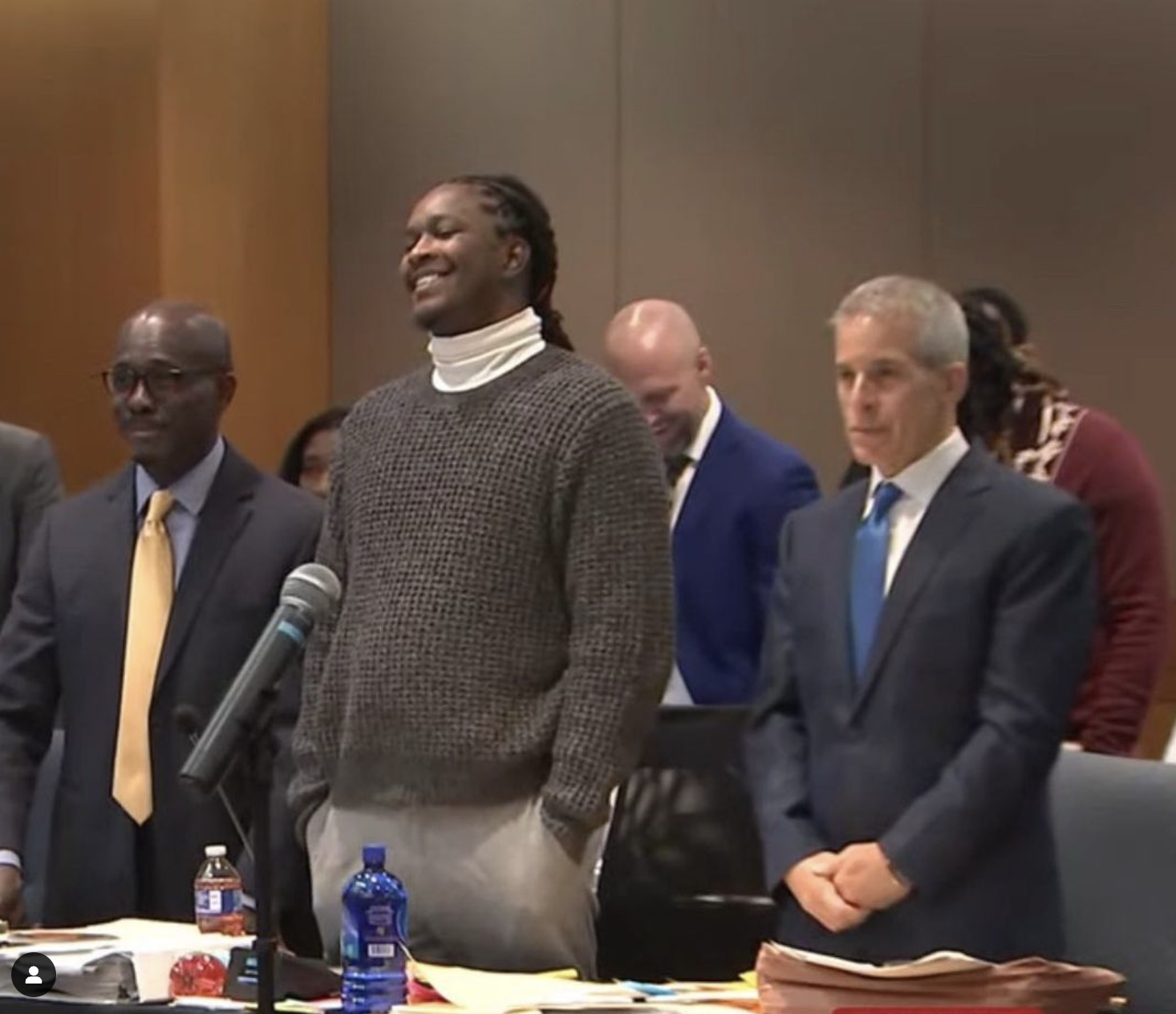
Young Thug during his RICO trial (Photo source instagram: @thuggerthegoatt)
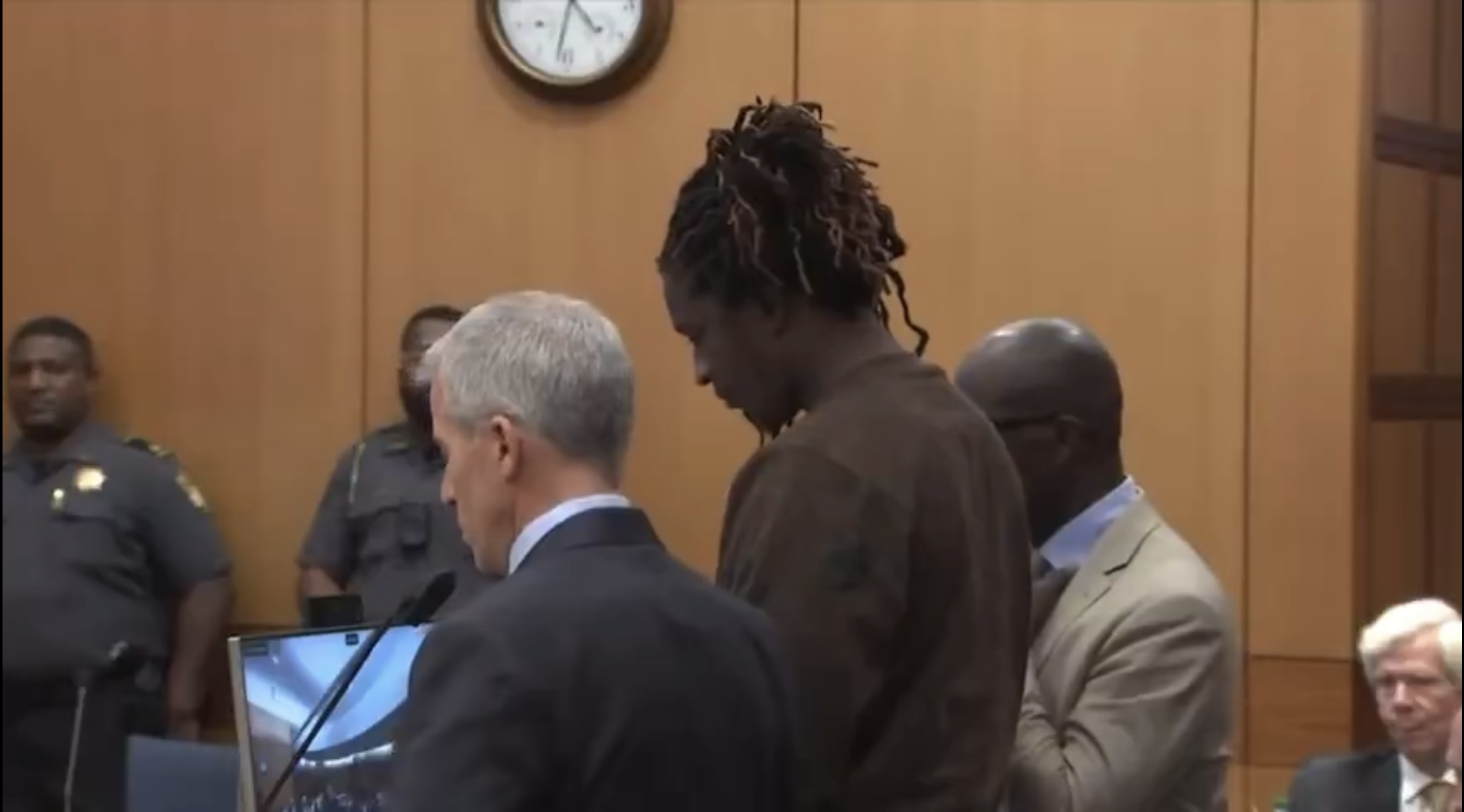
Hip-hop culture stands at a crossroads. Young Thug, born Jeffery Williams, was released from prison after serving two and a half years behind bars due to Georgia’s RICO case against him. Before Judge Whitaker delivered her sentencing – 15 years of probation and specific conditions – Williams shared a poignant statement about his lyrics and influence.
“I understand rap lyrics. I understand how they could be twisted. I understand what they could do to the minds of people… I promise you, I’m 100% changing that,” Williams said. With notable gravity in his voice, he added, “I’m older. I’m grown now. I’m smarter, there’s more things to rap about.”
In many circles, Young Thug is considered one of the greatest of all time. His statement will likely reverberate throughout the industry, marking both a moment of potential redemption and highlighting the complex relationship between artistic expression and legal liability.
History of Lyrics on Trial
Adriane Love, the Fulton County chief deputy district attorney, read Williams’ lyrics in the courtroom, connecting them to real-life events. This practice echoes rap’s early years when the genre faced intense scrutiny.
The criminalization of rap lyrics isn’t new:
Late ’80s: Ice-T’s “Cop Killer” drew national attention, forcing its removal from Body Count’s album
1988: N.W.A received a warning letter from FBI Assistant Director Milt Ahlerich about their content
1989: 2 Live Crew released “As Nasty As They Wanna Be”
1990: Judge Jose A. Gonzalez ruled the album obscene and illegal to sell
These events led to collaboration between the Recording Industry Association of America, the Parents Music Resource Center and the National Parent Teacher Association to create the Parental Advisory sticker.
The Science of Sound
Scientific research demonstrates music’s profound effect on our minds and emotional states. In Harvard Medicine, Allison Eck writes, “Music also lights up nearly all of the brain – including the hippocampus and amygdala, which activate emotional responses to music through memory; the limbic system, which governs pleasure, motivation and reward; and the body’s motor system.”
These findings validate Williams’ concern about lyrics’ influence on listeners, extending the conversation beyond mere entertainment to public responsibility.
A New Era for Hip-Hop
Williams’ case and statement potentially open doors for transformation while raising questions about artistic expression. His acknowledgment forces artists to consider legal ramifications when writing lyrics.
Lil Durk’s ongoing legal challenges may provide the next test case for using lyrics as evidence. Known for violent narratives and raw storytelling, Durk’s existing catalog could face scrutiny if prosecutors choose this approach.
The Legal Debate
Using rap lyrics as evidence draws both support and criticism. Prosecutors argue lyrics can provide crime insights, while civil rights advocates and defense attorneys contend this practice unfairly targets hip-hop culture compared to other genres.
The Future of Music
Williams’ statement about expanding subject matter suggests broader artistic horizons. His influence could inspire artists to embrace lighter themes, potentially shifting away from trap music, gangster rap and drill – subgenres often associated with violence.
A Cultural Crossroads
Hip-hop emerged from Black and Brown communities’ struggles, using available resources to transform lives and influence global culture. Today, rap music stands as one of America’s most significant cultural exports.
The genre now faces creative challenges requiring new approaches to storytelling. While Williams’ declaration points toward positive change, its long-term impact remains uncertain. Still, his commitment to transformation marks a significant step forward for hip-hop culture.
In a dramatic turn of events, Atlanta rapper Young Thug, born Jeffery Williams, was on the verge of securing a plea deal that would have granted him immediate release from jail under a 15-year probation agreement. However, negotiations faltered over the conditions of his release, prompting prosecutors to now advocate for a 25-year prison sentence.
Plea Deal Negotiations Breakdown
The plea deal, which had been meticulously negotiated over several weeks, aimed to resolve the charges against Williams stemming from a sweeping indictment in May 2022. The indictment accused him and 27 others of violating Georgia’s Racketeer Influenced and Corrupt Organizations (RICO) Act, alleging involvement in a criminal street gang known as Young Slime Life (YSL). Williams has consistently maintained that YSL is a record label, Young Stoner Life, and not a criminal enterprise.
Sources close to the negotiations revealed that the primary sticking point was the specific conditions of Williams’ probation. While both parties had tentatively agreed on the 15-year probation term, disagreements arose regarding travel restrictions, community service obligations, and associations with certain individuals. These unresolved issues ultimately led to the collapse of the plea agreement.
Prosecutors Seek Lengthy Prison Term
In light of the failed negotiations, prosecutors have shifted their stance, now recommending a 25-year prison sentence for Williams. This development marks a significant escalation in the potential consequences he faces if convicted. The prosecution’s decision underscores their commitment to pursuing substantial penalties in cases involving alleged gang-related activities.
Trial Proceedings and Co-Defendant Pleas
The trial, which commenced in January 2023, has been marked by numerous delays and legal maneuvers. Jury selection alone spanned nearly ten months, making it one of the longest trials in Georgia’s history. Throughout the proceedings, several co-defendants have opted to accept plea deals, resulting in reduced sentences in exchange for their cooperation.
Notably, on October 30, 2024, co-defendants Rodalius Ryan and Marquavius Huey entered guilty pleas to reduced charges. Ryan, already serving a life sentence for a separate murder conviction, pleaded guilty to a single count of conspiracy to violate the RICO Act. His ten-year sentence was commuted to time served, aligning with his existing life sentence. Huey pleaded guilty to multiple charges, including racketeering conspiracy and aggravated assault, receiving a 25-year sentence with nine years to be served in prison and the remainder on probation. citeturn0news18
These plea deals have left Williams and two other defendants as the remaining individuals standing trial. The prosecution’s strategy appears to focus on securing convictions against the primary figures alleged to have orchestrated the criminal activities attributed to YSL.
Defense’s Position and Public Reaction
Williams’ defense team has consistently argued that YSL is a legitimate music label and that the charges against their client are unfounded. They contend that the prosecution’s case relies heavily on circumstantial evidence and the testimonies of co-defendants seeking leniency.
The collapse of the plea deal and the subsequent push for a lengthy prison sentence have elicited strong reactions from the public and the hip-hop community. Supporters of Williams have organized protests, calling for an end to the trial and alleging that the charges are an overreach by law enforcement targeting prominent Black artists. citeturn0search8
Next Steps in the Legal Process
With the plea deal off the table, the trial is set to proceed, with both sides preparing for the next phase of legal arguments. The defense is expected to challenge the credibility of cooperating witnesses and the validity of the prosecution’s evidence. Meanwhile, the prosecution will aim to establish a clear link between Williams and the alleged criminal activities of YSL.
As the trial continues, the outcome remains uncertain. However, the recent developments have significantly raised the stakes for Williams, who now faces the possibility of spending a substantial portion of his life behind bars if convicted.
This article will be updated as more information becomes available.
On November 2, 2024, Live Nation Urban, in partnership with Culture Creators, will debut Lil’ WeezyCon—a dynamic addition to the annual Lil WeezyAna Fest in New Orleans. The inaugural event will take place at The Fillmore from 9 a.m. to 5 p.m., offering high-level networking opportunities with thought leaders, creatives, artists, and young professionals.
The event encourages participation from college students, high school seniors, and community organizations, providing a platform to connect with industry leaders in sectors they aspire to join. Designed with empowerment in mind, Lil’ WeezyCon will feature professionals in entertainment and entrepreneurship who will share their expertise and insights. Students from Dillard University are taking part in producing the event, with volunteers from LSU, Xavier University, and other local schools helping ensure it has a lasting impact throughout the city.
Tickets for the event are free, and college students with a valid ID will receive VIP access.
“We knew we wanted to do something special with this year’s festival, and tapping the Culture Creators Foundation to help us create Lil’ WeezyCon felt like the perfect way to engage the community and bring college students into the mix,” said Brandon Pankey, Vice President of Live Nation Urban. “This partnership allows us to expand beyond music and create an experience that leaves a lasting impact on young professionals and emerging creators.”
Industry leaders from Amazon, Ebony, and SoundExchange will be among those offering insights to attendees through panel discussions, workshops, and networking sessions. Topics on deck include music industry trends, media representation, and its cultural impact.
Lil’ WeezyCon will conclude with the Lil WeezyAna Fest Thank You Brunch on Sunday, November 3, at 10 a.m. at the House of Blues in New Orleans.
In an era where music drops like confetti on New Year’s Eve, Tyler, The Creator chose a Monday morning to gift the world “CHROMAKOPIA”, his most introspective and sonically ambitious project to date. The unconventional release time – reminiscent of the bygone Super Tuesday era – proved strategic, allowing fans to live with the music rather than rush through it during the weekend chaos. The strategy paid off; the album currently sits at No. 1 across all genres on Apple Music.
From the opening notes, it’s clear Tyler hasn’t just evolved – he’s ascended. The production on “CHROMAKOPIA” is nothing short of masterful, with layered instrumentation that rewards repeated listens. In an age where the bridge has become a lost art in music composition, Tyler deliberately weaves them throughout the project, creating textural depth that’s been sorely missed in contemporary hip-hop.
On “Thought I Was Dead,” Tyler channels Kendrick Lamar’s delivery while maintaining his distinctive voice, showcasing a technical prowess that proves he’s still pushing his boundaries as an MC. His flow switches are calculated and purposeful, each one serving the narrative rather than showing off for sport.
But it’s the personal revelations that make “CHROMAKOPIA” a watershed moment in Tyler’s discography. His mother appears throughout the album via interludes, dropping wisdom like bread crumbs leading to the album’s emotional core. On the gut-wrenching “Like Him,” Tyler confronts the void left by his absent father, while his mother offers an unprecedented apology for keeping his father at arm’s length. It’s a rare moment of vulnerability from an artist who’s typically guarded about this particular pain point, despite his well-documented close relationship with his mother.
The featured artists on “CHROMAKOPIA” feel less like guests and more like carefully chosen collaborators in Tyler’s vision. Daniel Caesar, Teezo Touchdown, Childish Gambino, GloRilla, Sexyy Red, Lil Wayne, ScHoolboy Q, and Doechii each bring their unique flavors to the table. The standout collaboration comes from Doechii on “Balloon,” where she delivers what can only be described as beautiful aggression, her energy perfectly complementing the track’s ambitious production.
“Take Your Mask Off” emerges as an early fan favorite, while “Judge Judy” showcases Tyler’s signature wit and wordplay. “Sticky,” featuring the powerhouse combination of GloRilla, Sexyy Red, and Lil Wayne, demonstrates Tyler’s ability to curate unexpected yet perfect collaborations.
The album’s title, “CHROMAKOPIA”, seems to reflect its nature – a spectrum of emotions, sounds, and experiences that paint a complete picture of an artist at his peak. The meticulous attention to storytelling, coupled with moments of raw vulnerability, positions this album not just as one of Tyler’s best works but as one of 2024’s strongest musical offerings.
When Tyler, The Creator first emerged as the wild-eyed leader of Odd Future, few could have predicted this level of artistic maturity. “CHROMAKOPIA” isn’t just an album; it’s a testament to growth, both personal and artistic. It’s the work of someone who’s mastered their craft while remaining unafraid to expose their scars.
What Tyler has created here isn’t just music – it’s a masterclass in vulnerability, production, and artistic evolution. As 2024 draws to a close, “CHROMAKOPIA” stands as a monumental achievement from an artist who continues to push himself and his art form forward.
Can the Genre Move Past Violence and Find a New Voice?
By: Eddy “Precise” Lamarre
Lil Durk, a cornerstone of Chicago’s drill music scene, was recently arrested in Broward County, Florida, on charges linked to a murder-for-hire scheme. This arrest has sent shockwaves through both the rap community and fans worldwide, not only because of the gravity of the accusations but also because it highlights the delicate balance between art and street life—a balance that drill music has both celebrated and blurred for over a decade.
The Origins of Drill: From Chicago’s Streets to a Global Movement Drill music emerged in Chicago’s South Side in the early 2010s, reflecting the harsh realities of life in under-resourced neighborhoods. With its grim beats, haunting melodies, and brutally honest lyrics about gang violence and survival, drill quickly became the voice of a generation grappling with poverty, systemic neglect, and crime. Chief Keef, widely regarded as one of the pioneers of the genre, catapulted drill into the mainstream with “Don’t Like”, recorded while under house arrest. The accompanying video, shot in his grandmother’s living room, embodied the rawness of the movement: unpolished, urgent, and unfiltered.
Drill music became an audio diary of real-life conflicts. Lil JoJo’s murder in 2012, just hours after he posted a video taunting rivals, underscored the genre’s connection to actual street violence. As artists like King Louie, G Herbo, and Lil Durk rose to fame, they carried with them the weight of these street rivalries. The music was not just entertainment—it was a survival mechanism, both documenting and driving conflicts, often amplifying tensions between factions like O Block and Tookaville.
Drill’s Global Reach: From London to New York What began in Chicago soon found new life across the Atlantic. In London, artists like Skepta and Headie One embraced drill’s style, giving birth to UK drill, a subgenre that fused Chicago’s original sound with the distinctive grime beats of British hip-hop. The UK’s adaptation added a new lyrical flair and further spread the genre’s influence into European rap scenes.
In New York, drill took on a new identity thanks to artists like Pop Smoke, whose infectious hits like “Dior” and “Welcome to the Party” fused traditional drill beats with melodic hooks. New York drill evolved into a hybrid of Chicago’s original intensity and more commercial-friendly sounds, helping drill achieve mainstream global success. These adaptations have made drill a dominant force not only in the United States but also across the Caribbean, Australia, and Africa, becoming a powerful cultural export from Chicago’s streets.
However, while drill’s growth has elevated many artists, it has also carried the genre’s reputation for inciting violence. Diss tracks, which call out rivals directly or refer to fallen enemies, have become both a hallmark of the music and a trigger for real-world retaliation. This violent connection, unfortunately, remains drill’s Achilles’ heel.
Lil Durk: A Career Marked by Triumph and Tragedy Few artists embody the duality of drill music like Lil Durk. Over the past decade, Durk has become not only one of Chicago’s most successful exports but also one of its most controversial. He’s achieved Grammy recognition and released multiple platinum albums, but his career has been marred by the loss of friends and family members—many of whom have fallen victim to the violence that the music both reflects and perpetuates.
In 2021, Durk’s brother, DThang, was fatally shot outside a nightclub near Chicago, adding to a long list of personal losses. One of Durk’s closest collaborators, King Von, was also killed in 2020 in Atlanta during an altercation with associates of Quando Rondo. These losses deepened Durk’s connection to the very conflicts that drill music has documented.
Most recently, Durk was named in a civil lawsuit filed by FBG Duck’s family, accusing him and his OTF label of placing a $100,000 bountyon Duck’s life, leading to his murder in the Gold Coast district of Chicago in 2020. Federal authorities claim that the murder-for-hire plot was part of an escalating war between factions tied to O Block and Tookaville. The lawsuit argues that record labels profited from the violence, capitalizing on the fame generated by street conflicts that were amplified through diss tracks.
The Arrest: A Turning Point for Durk and Drill? Durk’s arrest in October 2024comes at a time when the hip-hop industry is facing increased scrutiny over artists’ involvement in criminal activities. Young Thug is currently on trial under RICO charges, and rap mogul Sean “Diddy” Combs is also under investigation. These high-profile legal battles reflect a growing effort by law enforcement to crack down on the blurred lines between music and street activity.
Just days before his arrest, Durk seemed to be turning a corner, hosting an international day of prayer in Chicago and receiving keys to the cities of Broadview and Bellwood. Many saw these gestures as a sign of redemption—a potential shift away from the violence that has defined much of his career. However, his recent arrest threatens to undo that progress and raises questions about whether drill artists can ever truly escape their past.
What’s Next for Drill Music? Lil Durk’s arrest could mark a pivotal moment for drill music. With rising concerns over violence, the genre is at a crossroads. Some believe that the arrest of key figures like Durk could signal the beginning of the end for drill as we know it, as law enforcement continues to scrutinize artists with street affiliations. Others argue that the genre will evolve, shedding its violent roots while maintaining its gritty authenticity.
For many fans, drill represents more than just music—it’s a lifeline and a form of storytelling that captures the struggle of young Black men navigating systemic inequality. Artists like Durk, Chief Keef, and G Herbo have used music as a way out, proving that art can be a powerful tool for both self-expression and survival. However, as the genre’s violent reputation persists, the question remains: Can drill music evolve without losing its essence?
Grammy Winner Faces Federal Investigation Amid a Violent Legacy
Chicago drill icon Lil Durk, born Durk Devontay Banks, has been arrested in Broward County, Florida, in connection with a murder-for-hire scheme. The shocking development comes just days after the rapper held a “Day of Prayer” in Chicago and received keys to the cities of Broadview and Bellwood, leaving the public stunned at the dramatic fall of one of rap’s biggest stars.
Federal authorities charged several members of Only The Family (OTF), Durk’s notorious collective, in the killing of a close relative of rapperQuando Rondo—a move the feds suggest was retaliation for the 2020 murder of King Von, Durk’s protégé and longtime friend. Von, whose real name was Dayvon Bennett, was gunned down in Atlanta, setting off a series of violent events that have escalated tensions within Chicago’s drill music scene and beyond.
The arrest on October 24 is the latest chapter in the saga of a rapper who has achieved both mainstream success and infamy in equal measure. Over the past two years, Durk has solidified his place in the industry with multiple platinum records and a Grammy win. Yet, his rapid ascent has been shadowed by relentless street conflicts that intertwine music, loyalty, and revenge.
A Tale of Violence and Vengeance The allegations against Durk go deeper than just one murder. He now faces a civil lawsuit filed earlier this month, accusing him of orchestrating a plot to kill FBG Duck—another rapper whose death sent shockwaves through Chicago’s streets. Duck, born Carlton Weekly, was murdered in a brazen, daylight ambush in the Gold Coast neighborhood in 2020. According to attorney Roosevelt Allen, the lawsuit claims a$100,000 bounty was placed on Duck’s life, raising questions about just how far Durk’s influence reaches beyond the mic.
Duck’s murder has haunted Chicago’s drill community, with his mother, LaSheena Weekly, tirelessly demanding justice. The tension between Tookaville, where Duck was affiliated, andO Block, home to many of Durk’s allies, has turned into a deadly rivalry played out through music, social media, and the streets. Many believe King Von’s death further fueled this feud, leading to the retaliatory attack that now ensnares Durk in a federal investigation.
From City Honors to a Jail Cell Durk’s arrest comes at a time when he appeared to be turning a new leaf. Just days before his apprehension, he hosted a public prayer event in Chicago, signaling a shift towards peace. Receiving keys to the cities of Broadview and Bellwood seemed to mark the beginning of a new chapter for the rapper—but the celebrations were short-lived.
The federal investigation has exposed the dark undercurrents of Chicago’s drill scene, where music often serves as both art and a battlefield. For years, Durk has walked the fine line between mainstream acclaim and street affiliations. Now, that balancing act appears to be crumbling under the weight of federal scrutiny.
Durk’s legal troubles add to the growing concerns over the drill genre’s impact on rising violence. The case against him and the OTF crew highlights the blurring of lines between artistry and street justice, forcing a reckoning within the rap community. As authorities untangle the web of revenge and retaliation, Durk’s future—and the fate of his empire—hangs in the balance.





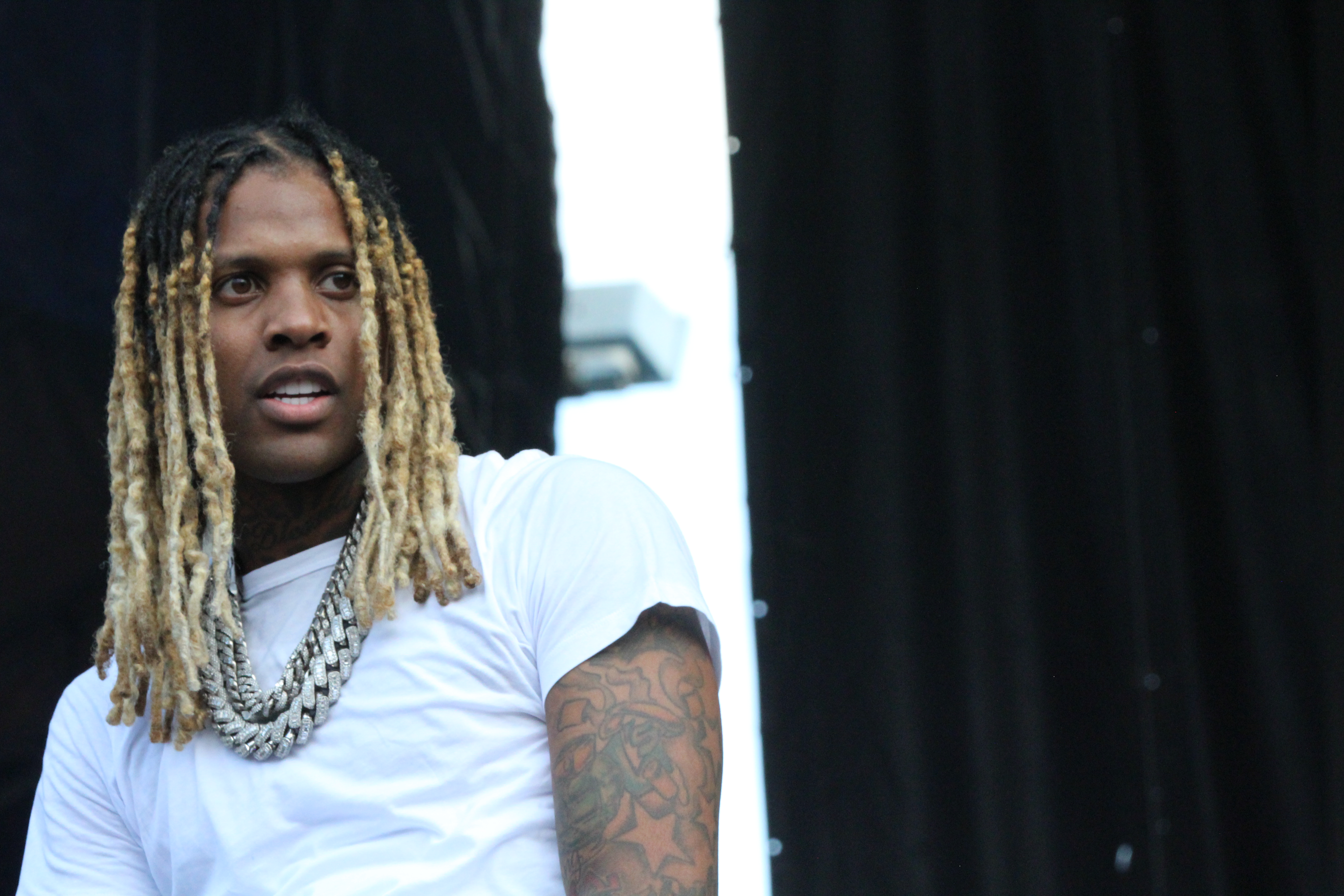
 Precise