Wu-Tang Clan’s Final Chamber Tour leaves Chicago buzzing

By: Eddy “Precise” Lamarre

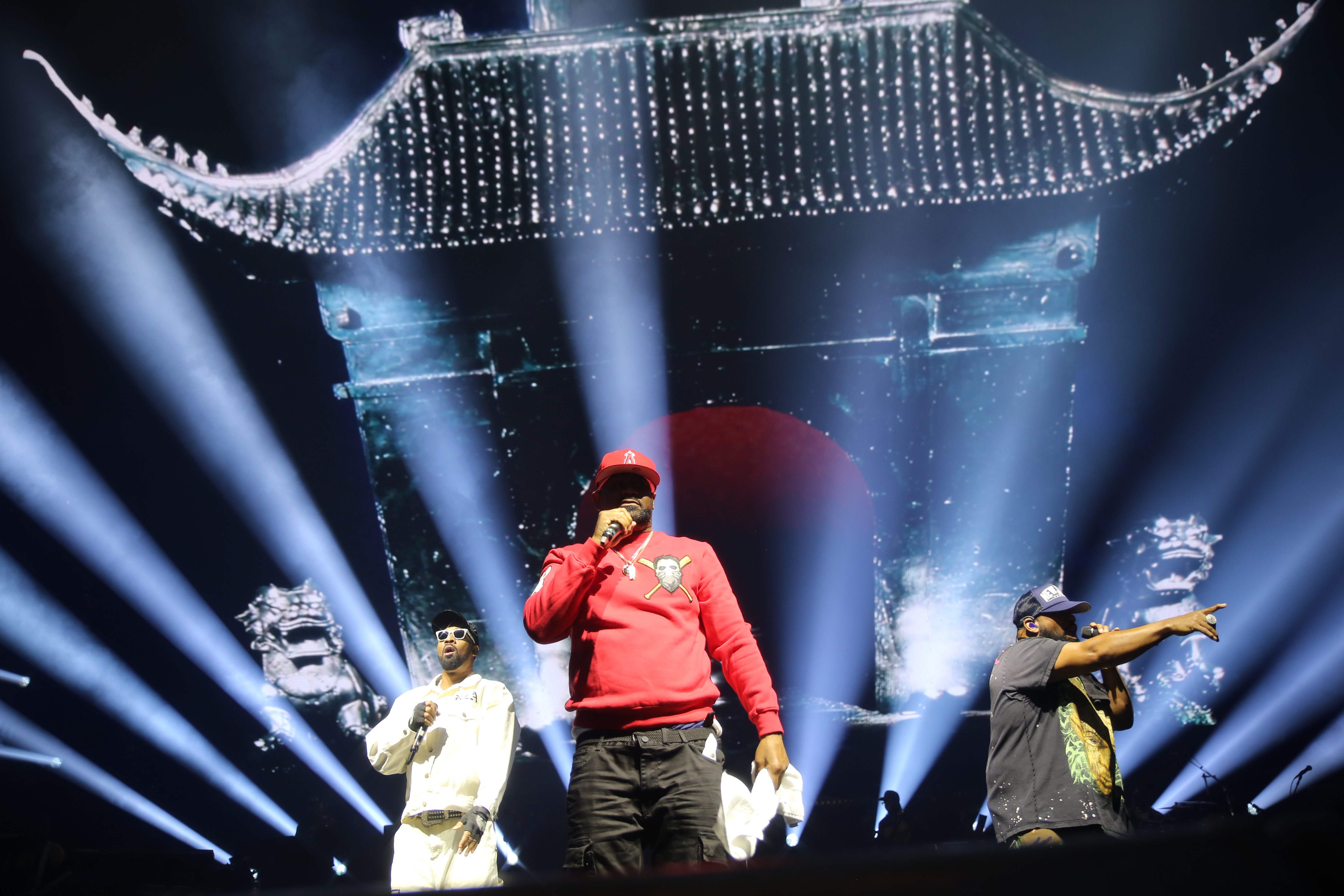
Wu-Tang Clan’s Final Chamber Tour in Chicago: A Night of Legacy, Loyalty, and Loud Memories

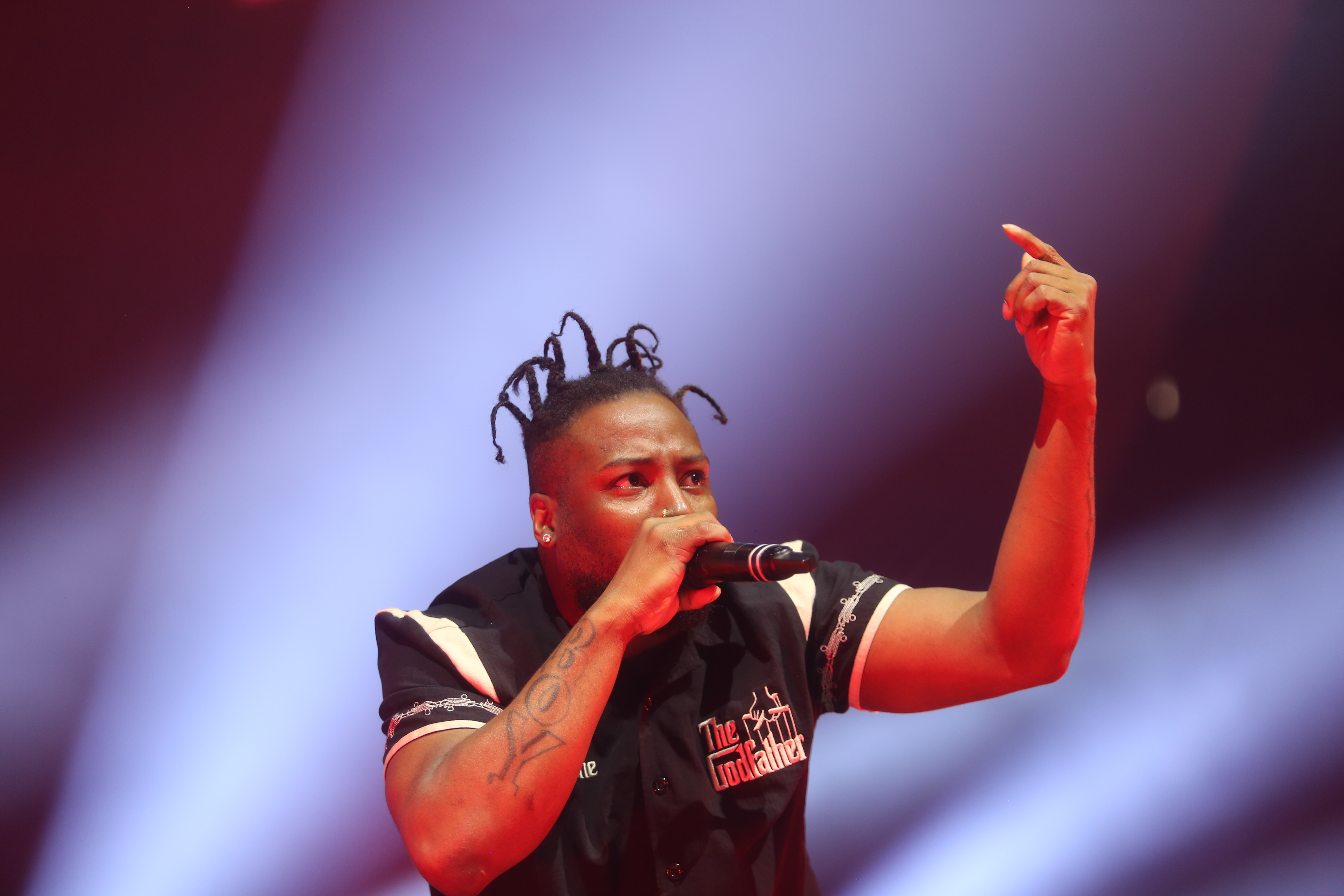
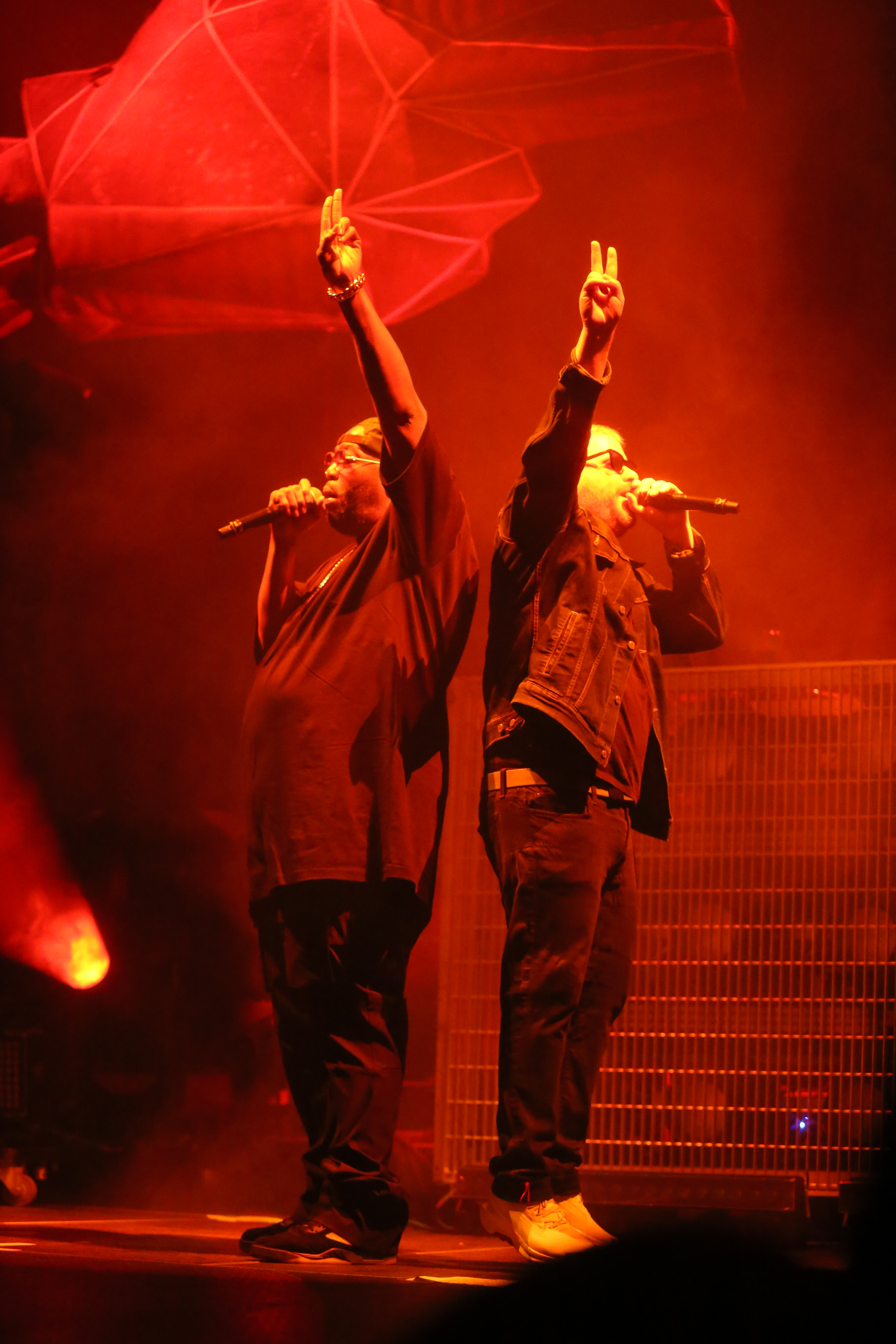
On July 7, Wu-Tang Clan brought their Final Chamber Tour to Chicago’s United Center. The crowd showed up early, ready for what would be one of the most anticipated shows of the summer. Run the Jewels opened with their signature high energy, setting the stage for what was about to come.

As soon as the first beat dropped, I was reminded of where it all started for me. Thirty years ago, I snuck into the House of Blues, just a kid looking to feel the weight of Wu-Tang Clan’s music live. That night, all nine original members stood on stage, and the entire room moved as one. Ol’ Dirty Bastard’s wild energy filled every corner of the venue. That moment shaped how I viewed hip-hop.

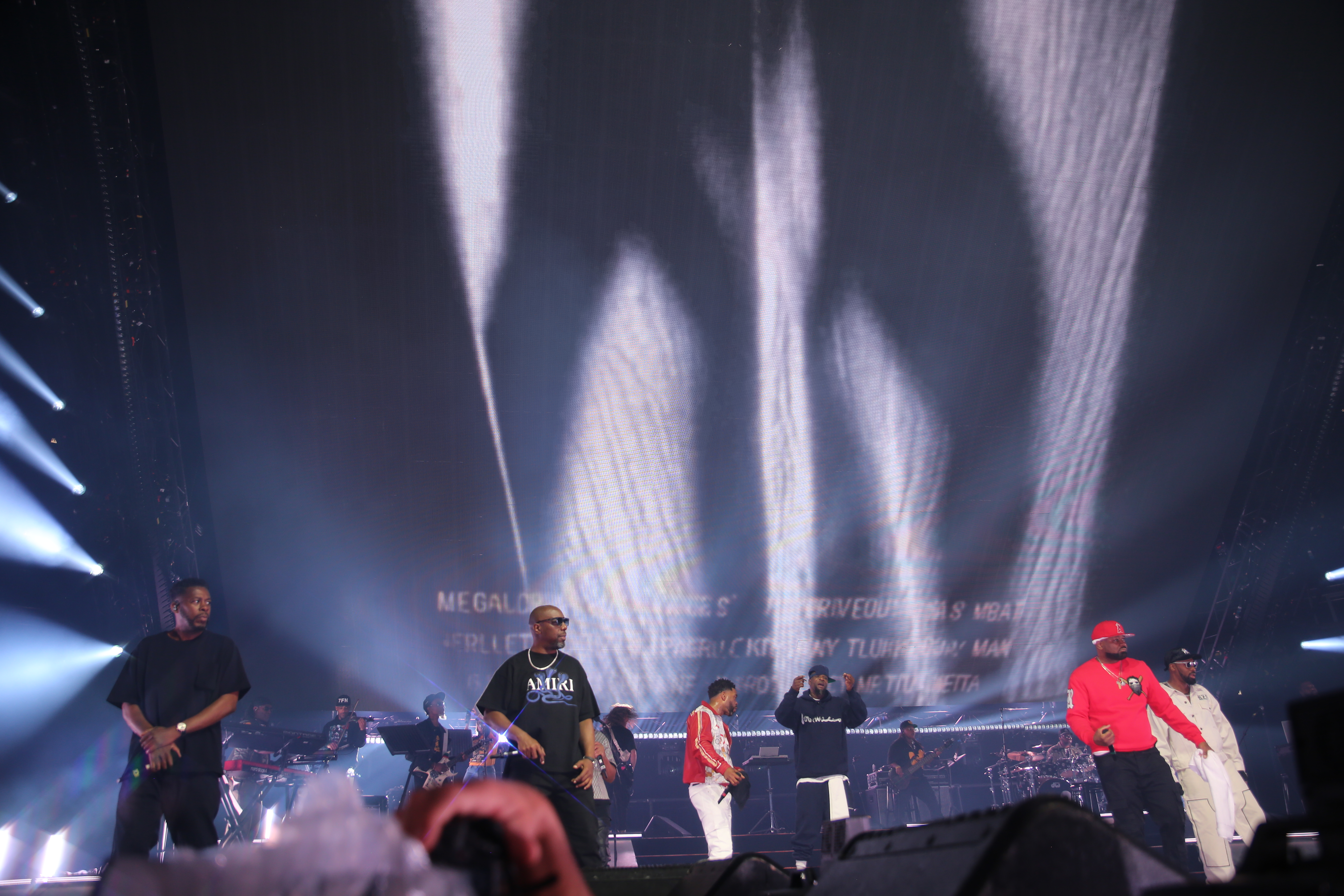
Now, decades later, I stood inside a packed arena. Things have changed. The men on stage have evolved. RZA has built a career as a film director and producer. Method Man is now an actor with an undeniable presence. GZA speaks on science and philosophy alongside top thinkers. Raekwon continues to celebrate his Only Built 4 Cuban Linx… legacy, and Ghostface Killah still sounds as sharp as ever. Even with everything they’ve accomplished outside of music, their connection to the crowd hasn’t faded.

The show opened with “Sunlight,” leading into “Bring Da Ruckus.” From the start, the energy was high. They followed up with “Clan in Da Front,” “Da Mystery of Chessboxin’,” and “Wu-Tang Clan Ain’t Nuthin’ to Fuck Wit.” The crowd responded to every line, shirts with the golden “W” filling every seat in the building.

Throughout the night, they shifted focus between group tracks and individual moments. Raekwon and Ghostface delivered “Criminology” and “Ice Cream” with ease, their chemistry as strong as ever. Masta Killa and Cappadonna kept the momentum going with their verses, while GZA’s performance of “Liquid Swords” and “Duel of the Iron Mic” showed his lyrical mastery.

Method Man brought undeniable energy. He performed “Method Man,” “Bring the Pain,” and “All I Need,” feeding off the crowd and commanding the stage like few can.

Young Dirty Bastard honored his father with high-energy performances of “Shimmy Shimmy Ya” and “Got Your Money.” His presence connected the past with the present, and the crowd responded with loud approval.

The night was built on classic after classic. Tracks like “Protect Ya Neck,” “Reunited,” “C.R.E.A.M.,” and “Triumph” had the entire building on their feet. When Inspectah Deck delivered his verse on “Triumph,” the reaction from the crowd was overwhelming.

Standing there, it struck me that I wasn’t that kid sneaking into shows anymore. Yet somehow, the feeling remained the same. I could see it on every face around me—Wu-Tang Clan still hits just as hard.

Here is the full setlist from the night:

“Sunlight”
“Bring Da Ruckus”
“Clan in Da Front”
“Da Mystery of Chessboxin’”
“Wu-Tang Clan Ain’t Nuthin’ to Fuck Wit”
“Method Man”
“Shame on a Nigga”
“Protect Ya Neck”
“Can It Be All So Simple”
“Holla”
“Criminology”
“’97 Mentality”
“Above the Clouds”
“Incarcerated Scarfaces”
“Ice Cream”
“Bring the Pain”
“All I Need”
“Liquid Swords”
“Duel of the Iron Mic”
“4th Chamber”
“Gravel Pit”
“No Said Date”
“Run”
“Tearz”
“Reunited”
“Shimmy Shimmy Ya”
“Got Your Money”
“C.R.E.A.M.”
“Triumph”

Thirty years later, Wu-Tang Clan remains one of the most powerful groups to take the stage. The names and venues may change, but their impact stays the same.
Drake releases new single “What Did I Miss”: Who did he put on ice?

Drake’s “What Did I Miss?” Signals a Ruthless New Era

-Eddy “Precise” Lamarre

Drake has always been a master of the moment, shifting moods, alliances, and soundscapes with the ease of a veteran hitmaker. But with his new single, “What Did I Miss?”, the Toronto superstar is issuing a warning. The track, which premiered July 4 during a livestream event called Iceman: Episode 1, marks the beginning of what’s shaping up to be his coldest and most calculated era yet.

The single arrives as Drake introduces a new persona: Iceman. The name draws from two distinct inspirations. One is Kimi Räikkönen, the stoic Formula 1 driver known as “The Iceman” for his cool-headed demeanor and unflinching focus under pressure. Drake has shared photos of himself wearing Räikkönen’s signature helmet and has posted subtle references to his racing persona. The second inspiration comes from George Gervin, the NBA Hall of Famer celebrated for his effortless scoring and calm presence on the court. Both figures represent a type of composed dominance that Drake seems eager to embody during this next phase of his career.

The sound of “What Did I Miss?” reflects that same energy. From the opening notes, the production is cold and minimal, built on haunting melodies and a brooding bass line. DJ Lewis, Tay Keith, FnZ, and others provide the icy backdrop, giving Drake plenty of space to deliver some of his most direct and cutting lyrics in recent memory.

Throughout the track, Drake addresses friends and associates he feels turned their backs on him during his widely publicized feud with Kendrick Lamar. His words are sharp, but his delivery is calm and detached. One lyric in particular has already sent shockwaves across social media: “I saw bro went to Pop Out with them, but been dick riding gang since ‘Headlines’.” Without naming names, Drake takes aim at those who publicly aligned with his rivals while privately benefiting from their connection to him.

The rollout surrounding the single has been as calculated as the music itself. In the livestream event, Drake appeared in a massive Toronto warehouse surrounded by ice machines, weapons, and industrial imagery, creating a stark, cold atmosphere that reinforces the themes of the song. He was shown driving a truck branded with the Iceman logo through the empty streets of the city, further pushing the narrative of isolation and emotional detachment.

What makes “What Did I Miss?” stand out from the usual diss tracks is its restraint. Drake is not interested in loud declarations or frantic back-and-forth exchanges. Instead, the song plays like a controlled strike, precise and deliberate. It is less about scoring quick points and more about drawing a clear boundary between himself and those he now views as outsiders.

The single also sets the tone for what’s expected to be his next full-length album, tentatively titled Iceman, slated for release in 2025. If this first release is any indication, the album will likely lean into colder, more stripped-down production, with Drake embracing his new persona fully. The themes of distance, loyalty, and self-reliance are front and center, signaling a shift in both his music and his approach to fame.

With “What Did I Miss?”, Drake is repositioning himself. This is not the Drake who’s looking for sympathy or trying to appeal to everyone. This is the Iceman, a figure of control and detachment, here to let the music—and the cold—do the talking.

Fire Friday: New music from JID, Jessie Reyez, JT and more

Fire Friday: The Must-Hear Rap & R&B Releases (July 1–4, 2025)

This week’s lineup brought serious heat across rap, R&B, and beyond. From standout lyricism and fiery mixtapes to bold visuals and emotional albums, these new drops are setting the pace for summer playlists everywhere. Here’s your full breakdown of the freshest releases from the past four days.

JID – GDLU: The Preluxe (Mixtape)

JID kicked off July 4 with GDLU: The Preluxe, a sharp, four-track teaser mixtape leading into his upcoming full-length album God Does Like Ugly. Known for his rapid-fire flow and intricate wordplay, JID doesn’t disappoint here. The project features Eminem, Lil Yachty, and 6LACK, pairing clever rhymes with slick production, making it a must-listen for hip-hop heads.

Listen to the full mixtape here:

JT – “Ran Out” (Official Music Video)

JT shines in her latest solo release, “Ran Out,” a bold track packed with swagger, attitude, and confident bars. The music video matches the energy, showing off high-end visuals, fast cars, and no shortage of luxury. It’s an anthem for anyone who loves a flashy, unapologetic flex.

Watch the video here

DDG – “That’s My Ball” (Official Visualizer)

DDG keeps the momentum going with “That’s My Ball,” an upbeat track accompanied by an animated visualizer. The fun, sports-inspired video features popular creators like Kai Cenat, Ludwig, ImDontai, and Valkyrae, adding an extra layer of entertainment to the playful, competitive song.

Watch the visualizer here:

DJ Snake & J Balvin – “Noventa” (Official Music Video)

DJ Snake and J Balvin link up once again for “Noventa,” an infectious reggaeton track filled with retro charm. The video takes it back to the ‘90s with VHS effects, throwback dance moves, and summery street party vibes, making it a certified warm-weather anthem.

Watch the video here:

Jessie Reyez – Paid in Memories (Album)

Jessie Reyez delivers raw emotion on Paid in Memories, released July 2. Her powerful vocals and deeply personal songwriting take center stage as she explores themes of heartbreak, self-reflection, family, and healing. From stripped-down ballads to upbeat tracks, Reyez proves her versatility while staying true to her vulnerable sound.

Stream the full album here:

This week’s releases bring a range of vibes—from emotional R&B and fierce lyricism to flashy visuals and dance-ready beats. Jessie Reyez and JID deliver standout projects for listeners looking for depth and skill, while JT, DDG, DJ Snake, and J Balvin keep the energy high with vibrant visuals and catchy hooks.

No matter your mood, these releases deserve a spot in your playlist rotation.

Are You Ever Too Old to Rap? Hip-Hop Legends Prove Age Is Just a Number in 2024

By: Eddy “Precise” Lamarre

Common at Millennium Park 20 year celebration (Photo credit: Eddy “Precise” Lamarre)

2024 is undoubtedly the year of the rap OG, returning the genre to its essence. At the year’s start, Killer Mike swept the rap category, winning Best Rap Album, Best Rap Song and Best Rap Performance. That accomplishment opened a portal to rap’s golden age. In a time dominated by auto-tune and vibes, younger artists like Travis Scott, Future and Lil Yachty have stamped their distinct styles onto the genre, helping redefine global perceptions of hip-hop culture. The storytelling and lyricism that defined rap in the ’90s seemed lost to history.

2024 has brought a resurgence of what many call “real rap,” and many of rap’s elder statesmen are drawing a line in the sand, reminding the world of their capabilities. Artists who have lived and grown with the genre have delivered projects showcasing their experience and skills. Killer Mike’s “Michael” set the stage, while Masta Ace and DJ Marco Polo followed with “Richmond Hill.” Common and Pete Rock released “The Auditorium Vol. 1,” earning Grammy nominations for Rap Song of the Year and Rap Album of the Year. LL Cool J teamed with Q-Tip for “The Force,” proving hip-hop legends can still innovate.

Other notable releases include Rakim’s “G.O.D’s Network (REB7RTH),” Ghostface Killah’s “Set the Tone (Guns & Roses)” and Ice Cube’s “Man Down.” These projects represent offerings from legends who have spent decades perfecting their craft.

Age and the Evolution of Hip-Hop

This OG takeover has inspired others from the same generation to continue following their dreams and creating new projects. All of this has sparked online debates about whether anyone should be rapping well into their 40s and 50s. Some argue older rappers should step aside and become mentors. Others see no reason for rappers to “age out” of creating their art.

Imagine if the Rolling Stones felt they aged out of rock ‘n’ roll. Rock legends perform and record well into their 70s and are celebrated. Why should rap be different? “Our storytelling gets better with age,” LL Cool J said. Storytelling has always been rap’s core. Who better to reflect on life’s challenges than those who have lived it? Styles have changed, new styles emerged and there’s always space for styles that were popular 20 or 30 years ago.

Hip-hop at 50 points to the culture’s endurance and relevance. Creativity has no expiration date. As Killer Mike said, “I’m going to do this until I physically can’t do it anymore. What you’re hearing now is the perspective of a 48-year-old Black man who has lived enough life to actually have something to say.”

Follow your dream, create your art no matter how old you are. What you have to offer matters, and the world is better for it. Whether you’re a 20-year-old newcomer or a 50-year-old veteran, your voice is valid. Hip-hop, like life, is an ever-evolving journey. These seasoned artists aren’t just making music; they’re showing us how to grow, adapt and stay true to ourselves.

Notable 2024 Releases:

  • Masta Ace and DJ Marco Polo – “Richmond Hill”
  • Common and Pete Rock – “The Auditorium Vol. 1”
  • Rakim – “G.O.D’s Network (REB7RTH)”
  • LL Cool J and Q-Tip – “The Force”
  • Ghostface Killah – “Set the Tone (Guns & Roses)”
  • Eminem – “The Death of Slim Shady”
  • The Dogg Pound – “W.A.W.G. (We All We Got)”
  • MC Lyte – “1 of 1”
  • Ice Cube – “Man Down”

2024 is proving to be a pivotal year for hip-hop, reminding us that age isn’t a limitation but a superpower. These artists are living proof that rapping at 50 is not only possible but essential to the culture they helped build.


Kendrick Lamar Dominates 2024 With Surprise Album ‘GNX’

Credit; Dave Free

By: Eddy “Precise” Lamarre

Kendrick Lamar has put an exclamation mark on his domination of 2024 with the surprise release of his latest album “GNX.” This release emerges as a seismic cultural moment, quickly becoming the talk of the internet. Inspired by the Buick Grand National he leans on in the cover art, Lamar embraces his “villain era” with unwavering confidence.

The album opener “wacced out murals” sets the tone with production that feels like a stripped-down, bass-driven reimagining of Whodini’s classic “Friends.” Lamar embraces the darker side of that memorable hit and weaponizes the track while highlighting haters, betrayal and self-preservation. “It used to be fuck that nigga, but now it’s plural, fuck everybody,” he raps, sparing no one. He even has a words for Snoop Dogg, whom he called out for sharing Drake’s AI-generated diss track “Taylor Made” during the height of the Drake vs. Kendrick battle.

One of the standout tracks, “reincarnated,” showcases Lamar’s strength as an artist. He demonstrates his keen ability to blend storytelling and introspection. Lyrically, he takes listeners on a journey through three lives experiencing reincarnation. The track is reminiscent of 2Pac’s “All Eyez on Me.” In the first two verses, he adopts Tupac’s cadence before closing the song with his distinctive delivery. The track is layered, as the three people described are reincarnated into different lives, while Lamar’s masterful delivery suggesting that he is the reincarnation of Tupac.

The production across “GNX” captures a minimalist, bass-heavy sound of L.A. and provides space for Lamar’s verses. This is most evident on “tv off,” produced by DJ Mustard and reminiscent of 2024’s culturally relevant anthem “Not Like US.”

The album features Mexican singer Deyra Barrera and rappers, Peyso, AzChike, Dody 6, Hitta J3, Peysoh, Siete, Wallie The Sensei and Young Threat. SZA joined her former TDE labelmate on “Luther” and “Gloria.” SZA’s performance on “Gloria” is hypnotic, her voice floating with ease through the verses before building into a luxuriant guitar solo.

Another standout track, “man at the garden,” evokes the haunting tension of Phil Collins’ “In the Air Tonight” along with “One Mic” by Nas and delivers an introspective Lamar. He examines his worthiness, boldly stating “I deserve it all” when discussing his accolades, accomplishments and the work behind them.

“GNX” is a statement during a year when Lamar made it his mission to fully separate himself from his peers. He delivers his honesty with a boldness that compels listeners to dig deeper into their own identity.

Lil’ WeezyCon to Kick Off November 2, Expanding Lil WeezyAna Fest with a New Networking Platform

By Eddy “Precise” Lamarre

On November 2, 2024, Live Nation Urban, in partnership with Culture Creators, will debut Lil’ WeezyCon—a dynamic addition to the annual Lil WeezyAna Fest in New Orleans. The inaugural event will take place at The Fillmore from 9 a.m. to 5 p.m., offering high-level networking opportunities with thought leaders, creatives, artists, and young professionals.

The event encourages participation from college students, high school seniors, and community organizations, providing a platform to connect with industry leaders in sectors they aspire to join. Designed with empowerment in mind, Lil’ WeezyCon will feature professionals in entertainment and entrepreneurship who will share their expertise and insights. Students from Dillard University are taking part in producing the event, with volunteers from LSU, Xavier University, and other local schools helping ensure it has a lasting impact throughout the city.

Tickets for the event are free, and college students with a valid ID will receive VIP access.

“We knew we wanted to do something special with this year’s festival, and tapping the Culture Creators Foundation to help us create Lil’ WeezyCon felt like the perfect way to engage the community and bring college students into the mix,” said Brandon Pankey, Vice President of Live Nation Urban. “This partnership allows us to expand beyond music and create an experience that leaves a lasting impact on young professionals and emerging creators.”

Industry leaders from Amazon, Ebony, and SoundExchange will be among those offering insights to attendees through panel discussions, workshops, and networking sessions. Topics on deck include music industry trends, media representation, and its cultural impact.

Lil’ WeezyCon will conclude with the Lil WeezyAna Fest Thank You Brunch on Sunday, November 3, at 10 a.m. at the House of Blues in New Orleans.

For more information and to register, visit www.lilweezyanafest.com.

Tyler, The Creator Returns With His Most Personal Album Yet on ‘CHROMAKOPIA’

By Eddy “Precise” Lamarre

In an era where music drops like confetti on New Year’s Eve, Tyler, The Creator chose a Monday morning to gift the world “CHROMAKOPIA”, his most introspective and sonically ambitious project to date. The unconventional release time – reminiscent of the bygone Super Tuesday era – proved strategic, allowing fans to live with the music rather than rush through it during the weekend chaos. The strategy paid off; the album currently sits at No. 1 across all genres on Apple Music.

From the opening notes, it’s clear Tyler hasn’t just evolved – he’s ascended. The production on “CHROMAKOPIA” is nothing short of masterful, with layered instrumentation that rewards repeated listens. In an age where the bridge has become a lost art in music composition, Tyler deliberately weaves them throughout the project, creating textural depth that’s been sorely missed in contemporary hip-hop.

On “Thought I Was Dead,” Tyler channels Kendrick Lamar’s delivery while maintaining his distinctive voice, showcasing a technical prowess that proves he’s still pushing his boundaries as an MC. His flow switches are calculated and purposeful, each one serving the narrative rather than showing off for sport.

But it’s the personal revelations that make “CHROMAKOPIA” a watershed moment in Tyler’s discography. His mother appears throughout the album via interludes, dropping wisdom like bread crumbs leading to the album’s emotional core. On the gut-wrenching “Like Him,” Tyler confronts the void left by his absent father, while his mother offers an unprecedented apology for keeping his father at arm’s length. It’s a rare moment of vulnerability from an artist who’s typically guarded about this particular pain point, despite his well-documented close relationship with his mother.

The featured artists on “CHROMAKOPIA” feel less like guests and more like carefully chosen collaborators in Tyler’s vision. Daniel Caesar, Teezo Touchdown, Childish Gambino, GloRilla, Sexyy Red, Lil Wayne, ScHoolboy Q, and Doechii each bring their unique flavors to the table. The standout collaboration comes from Doechii on “Balloon,” where she delivers what can only be described as beautiful aggression, her energy perfectly complementing the track’s ambitious production.

“Take Your Mask Off” emerges as an early fan favorite, while “Judge Judy” showcases Tyler’s signature wit and wordplay. “Sticky,” featuring the powerhouse combination of GloRilla, Sexyy Red, and Lil Wayne, demonstrates Tyler’s ability to curate unexpected yet perfect collaborations.

The album’s title, “CHROMAKOPIA”, seems to reflect its nature – a spectrum of emotions, sounds, and experiences that paint a complete picture of an artist at his peak. The meticulous attention to storytelling, coupled with moments of raw vulnerability, positions this album not just as one of Tyler’s best works but as one of 2024’s strongest musical offerings.

When Tyler, The Creator first emerged as the wild-eyed leader of Odd Future, few could have predicted this level of artistic maturity. “CHROMAKOPIA” isn’t just an album; it’s a testament to growth, both personal and artistic. It’s the work of someone who’s mastered their craft while remaining unafraid to expose their scars.

What Tyler has created here isn’t just music – it’s a masterclass in vulnerability, production, and artistic evolution. As 2024 draws to a close, “CHROMAKOPIA” stands as a monumental achievement from an artist who continues to push himself and his art form forward.

Lil Durk Arrested: What It Means for Drill Music and Its Global Impact

Can the Genre Move Past Violence and Find a New Voice?

By: Eddy “Precise” Lamarre

Lil Durk, a cornerstone of Chicago’s drill music scene, was recently arrested in Broward County, Florida, on charges linked to a murder-for-hire scheme. This arrest has sent shockwaves through both the rap community and fans worldwide, not only because of the gravity of the accusations but also because it highlights the delicate balance between art and street life—a balance that drill music has both celebrated and blurred for over a decade.

The Origins of Drill: From Chicago’s Streets to a Global Movement
Drill music emerged in Chicago’s South Side in the early 2010s, reflecting the harsh realities of life in under-resourced neighborhoods. With its grim beats, haunting melodies, and brutally honest lyrics about gang violence and survival, drill quickly became the voice of a generation grappling with poverty, systemic neglect, and crime. Chief Keef, widely regarded as one of the pioneers of the genre, catapulted drill into the mainstream with “Don’t Like”, recorded while under house arrest. The accompanying video, shot in his grandmother’s living room, embodied the rawness of the movement: unpolished, urgent, and unfiltered.

Drill music became an audio diary of real-life conflicts. Lil JoJo’s murder in 2012, just hours after he posted a video taunting rivals, underscored the genre’s connection to actual street violence. As artists like King Louie, G Herbo, and Lil Durk rose to fame, they carried with them the weight of these street rivalries. The music was not just entertainment—it was a survival mechanism, both documenting and driving conflicts, often amplifying tensions between factions like O Block and Tookaville.

Drill’s Global Reach: From London to New York
What began in Chicago soon found new life across the Atlantic. In London, artists like Skepta and Headie One embraced drill’s style, giving birth to UK drill, a subgenre that fused Chicago’s original sound with the distinctive grime beats of British hip-hop. The UK’s adaptation added a new lyrical flair and further spread the genre’s influence into European rap scenes.

In New York, drill took on a new identity thanks to artists like Pop Smoke, whose infectious hits like “Dior” and “Welcome to the Party” fused traditional drill beats with melodic hooks. New York drill evolved into a hybrid of Chicago’s original intensity and more commercial-friendly sounds, helping drill achieve mainstream global success. These adaptations have made drill a dominant force not only in the United States but also across the Caribbean, Australia, and Africa, becoming a powerful cultural export from Chicago’s streets.

However, while drill’s growth has elevated many artists, it has also carried the genre’s reputation for inciting violence. Diss tracks, which call out rivals directly or refer to fallen enemies, have become both a hallmark of the music and a trigger for real-world retaliation. This violent connection, unfortunately, remains drill’s Achilles’ heel.

Lil Durk: A Career Marked by Triumph and Tragedy
Few artists embody the duality of drill music like Lil Durk. Over the past decade, Durk has become not only one of Chicago’s most successful exports but also one of its most controversial. He’s achieved Grammy recognition and released multiple platinum albums, but his career has been marred by the loss of friends and family members—many of whom have fallen victim to the violence that the music both reflects and perpetuates.

In 2021, Durk’s brother, DThang, was fatally shot outside a nightclub near Chicago, adding to a long list of personal losses. One of Durk’s closest collaborators, King Von, was also killed in 2020 in Atlanta during an altercation with associates of Quando Rondo. These losses deepened Durk’s connection to the very conflicts that drill music has documented.

Most recently, Durk was named in a civil lawsuit filed by FBG Duck’s family, accusing him and his OTF label of placing a $100,000 bounty on Duck’s life, leading to his murder in the Gold Coast district of Chicago in 2020. Federal authorities claim that the murder-for-hire plot was part of an escalating war between factions tied to O Block and Tookaville. The lawsuit argues that record labels profited from the violence, capitalizing on the fame generated by street conflicts that were amplified through diss tracks.

The Arrest: A Turning Point for Durk and Drill?
Durk’s arrest in October 2024 comes at a time when the hip-hop industry is facing increased scrutiny over artists’ involvement in criminal activities. Young Thug is currently on trial under RICO charges, and rap mogul Sean “Diddy” Combs is also under investigation. These high-profile legal battles reflect a growing effort by law enforcement to crack down on the blurred lines between music and street activity.

Just days before his arrest, Durk seemed to be turning a corner, hosting an international day of prayer in Chicago and receiving keys to the cities of Broadview and Bellwood. Many saw these gestures as a sign of redemption—a potential shift away from the violence that has defined much of his career. However, his recent arrest threatens to undo that progress and raises questions about whether drill artists can ever truly escape their past.

What’s Next for Drill Music?
Lil Durk’s arrest could mark a pivotal moment for drill music. With rising concerns over violence, the genre is at a crossroads. Some believe that the arrest of key figures like Durk could signal the beginning of the end for drill as we know it, as law enforcement continues to scrutinize artists with street affiliations. Others argue that the genre will evolve, shedding its violent roots while maintaining its gritty authenticity.

For many fans, drill represents more than just music—it’s a lifeline and a form of storytelling that captures the struggle of young Black men navigating systemic inequality. Artists like Durk, Chief Keef, and G Herbo have used music as a way out, proving that art can be a powerful tool for both self-expression and survival. However, as the genre’s violent reputation persists, the question remains: Can drill music evolve without losing its essence?

“When The Sun Shines Again”: The Visual Masterpiece Behind Common and Pete Rock’s Latest Hit

Hip-hop heavyweights Common and Pete Rock are riding high on the success of their first full-length collaboration, “The Auditorium, Vol. 1.” The duo recently dropped a fresh video for “When The Sun Shines Again,” a standout track from the album released this summer to critical acclaim.

The visually striking clip, helmed by directors Marleaux Desire and ILLIMITEWORD, features guest appearances from neo-soul crooner Bilal and De La Soul’s Posdnuos. It’s the latest in a series of videos showcasing the album’s artistic vision, with Pete Rock’s signature boom-bap production providing the sonic backdrop.

Common and Rock wrapped up their 19-stop “The Auditorium Tour” last Friday with a bang, packing New York City’s Webster Hall. The tour’s finale capped off a whirlwind week in the Big Apple, which included a sold-out three-night, six-show residency at the iconic Blue Note Jazz Club.

The pair’s creative synergy hasn’t gone unnoticed by the industry. They recently snagged four BET Hip Hop Awards nominations, including nods for “Best Duo Group” and “Impact Track” for their socially conscious joint “Fortunate.” Common’s razor-sharp wordplay earned him a “Lyricist of the Year” nomination, while Pete Rock’s masterful beats landed him in the running for “Producer of the Year.”

“The Auditorium, Vol. 1,” out now on Loma Vista Recordings, marks a high point in both artists’ storied careers. Common’s introspective rhymes and Pete Rock’s soul-drenched production create a perfect storm of old-school authenticity and contemporary relevance.

Two of the genre’s most respected veterans serves as a potent reminder of rap’s enduring power. With “The Auditorium, Vol. 1,” Common and Pete Rock aren’t just nodding to hip-hop’s past – they’re carving out its future.

Apple Music Reveals Their Top 10 Albums – and It’s Not What You’d Expect!

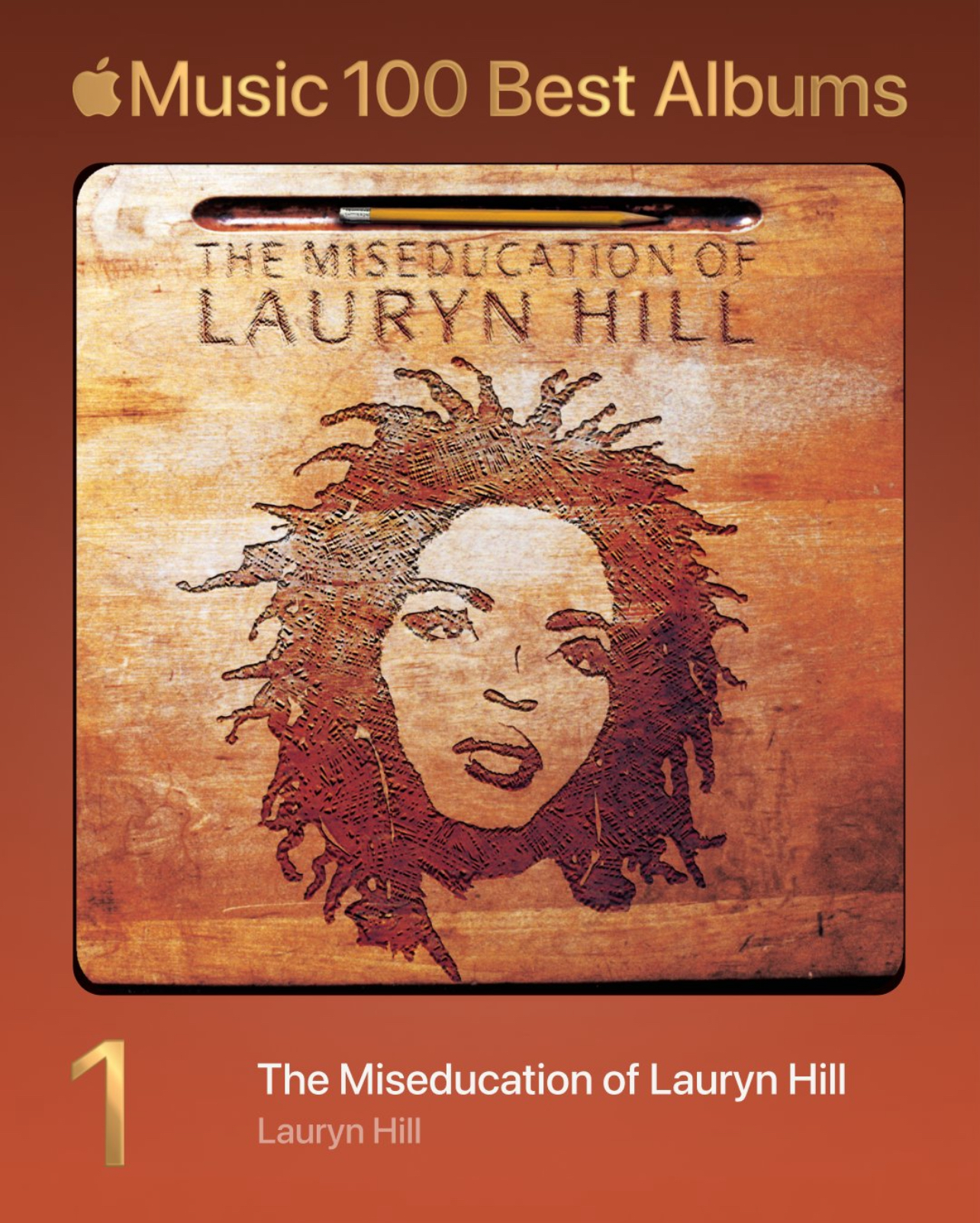
After a week of building anticipation with their countdown of the top 100 albums, Apple Music has finally unveiled their list of the top 10 albums, and the results are surprising. While the usual legends make appearances, it’s Lauryn Hill’s “The Miseducation of Lauryn Hill” that claims the top spot. This choice might throw many for a loop, especially those who expected the likes of Michael Jackson or Stevie Wonder to dominate. Instead, Michael Jackson’s record-breaking “Thriller” sits at #2, and Stevie Wonder’s often-hailed best album of all time, “Songs in the Key of Life,” is placed at #6. These placements alone are sure to stir up controversy and conversation.

Crafting a list like this was undoubtedly a daunting task, and some of the greatest albums, like Kanye West’s “College Dropout” or “Graduation,” didn’t even make the cut.

“Putting this list together was a true labor of love, both in that it was incredibly difficult to do and in that we are all so passionate about it,” said Zane Lowe, Apple Music’s global creative director and lead anchor for Apple Music 1. “We were tasked with selecting the 100 best — that’s practically mission impossible. But as music fans, it was also amazing to really take a minute and sit and think about the music and albums and artists that we love so much in this context. If this list sparks more debate among fans outside of Apple Music and gets people talking passionately about the music they love, then we’ve done what we set out to do.”

Given her achievements, it’s not entirely shocking that Lauryn Hill would take the top spot. In 1999, she swept the GRAMMYs, taking home five awards for “The Miseducation of Lauryn Hill,” including Album of the Year, Best R&B Album, Best New Artist, Best R&B Song, and Best Female R&B Vocal Performance – the latter two both for “Doo Wop (That Thing).” Hill has toured for nearly 30 years on the strength of one major release and continues to sell out shows.

Does Lauryn deserve the top spot? Let us know what you think. Check out Apple Music’s top 10 of the top 100 list below:

  1. The Miseducation of Lauryn Hill – Lauryn Hill
  2. Thriller – Michael Jackson
  3. Abbey Road – The Beatles
  4. Purple Rain – Prince & The Revolution
  5. Blonde – Frank Ocean
  6. Songs in the Key of Life – Stevie Wonder
  7. good kid, m.A.A.d city (Deluxe Version) – Kendrick Lamar
  8. Back to Black – Amy Winehouse
  9. Nevermind – Nirvana
  10. Lemonade – Beyoncé