
By: Eddy “Precise” Lamarre
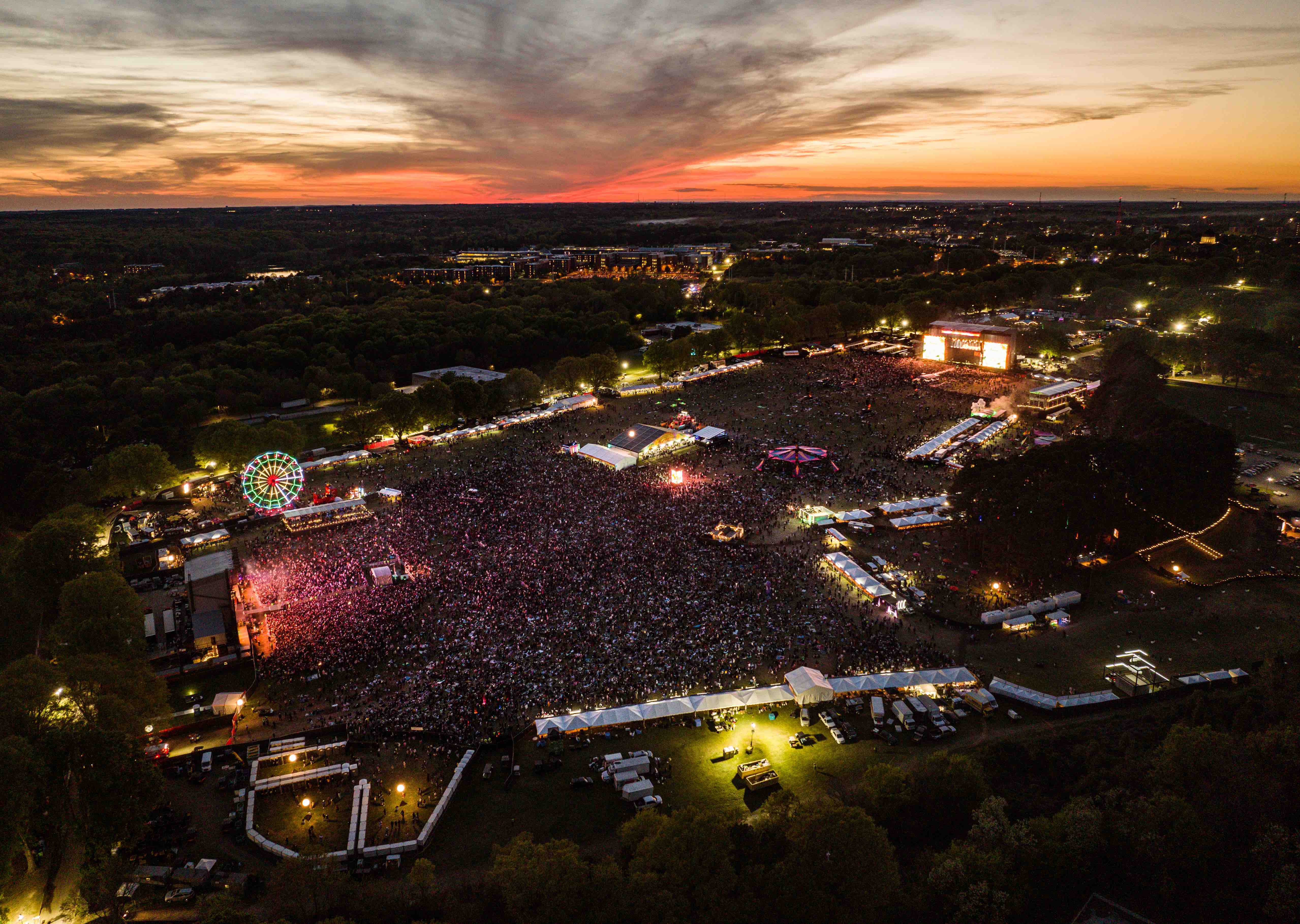
Dreamville Festival, the brainchild of hip-hop icon J. Cole and his powerhouse label Dreamville, is gearing up for another epic year. Set to take over Raleigh’s scenic Dorothea Dix Park on April 5-6, 2025, the festival has become a defining moment in the music calendar, blending incredible performances with a celebration of culture and community.
After breaking records in 2024 with 100,000 attendees from across the United States and beyond, Dreamville Festival is primed to surpass expectations yet again. Presale tickets go live on December 11 at 9 a.m. EST, offering General Admission (GA), GA+, and VIP options. Early buyers can lock in the best rates, as prices are expected to climb closer to the event. If presales sell out, general ticket sales will follow.
This isn’t just another music festival; it’s an immersive experience. From live art installations and local food vendors to Dreamville’s iconic Ferris wheel—where attendees can take in breathtaking views of Raleigh’s skyline—every detail reflects a thoughtful curation of music, art, and community. The festival also shines a light on meaningful causes, with proceeds supporting the Dreamville Foundation and Dix Park Conservancy.
Dreamville Festival has become synonymous with economic and cultural impact. With an annual contribution of $145 million to Wake County’s economy, the event not only entertains but also bolsters local businesses and nonprofits. Vendors, artisans, and muralists transform the park into a vibrant hub of creativity, while Nonprofit Row provides a platform for community organizations to connect with festival-goers.
At its heart, the festival is a love letter to J. Cole’s home state of North Carolina and the global Dreamville family. It’s a chance to celebrate what makes the brand a cultural powerhouse while delivering two days of unforgettable music and camaraderie.
Whether you’re a loyal fan or new to the Dreamville universe, this event offers a unique blend of energy, connection, and creativity. Mark your calendars and set your alarms—this is a moment you won’t want to miss.

 Precise