By Eddy “Precise” Lamarre
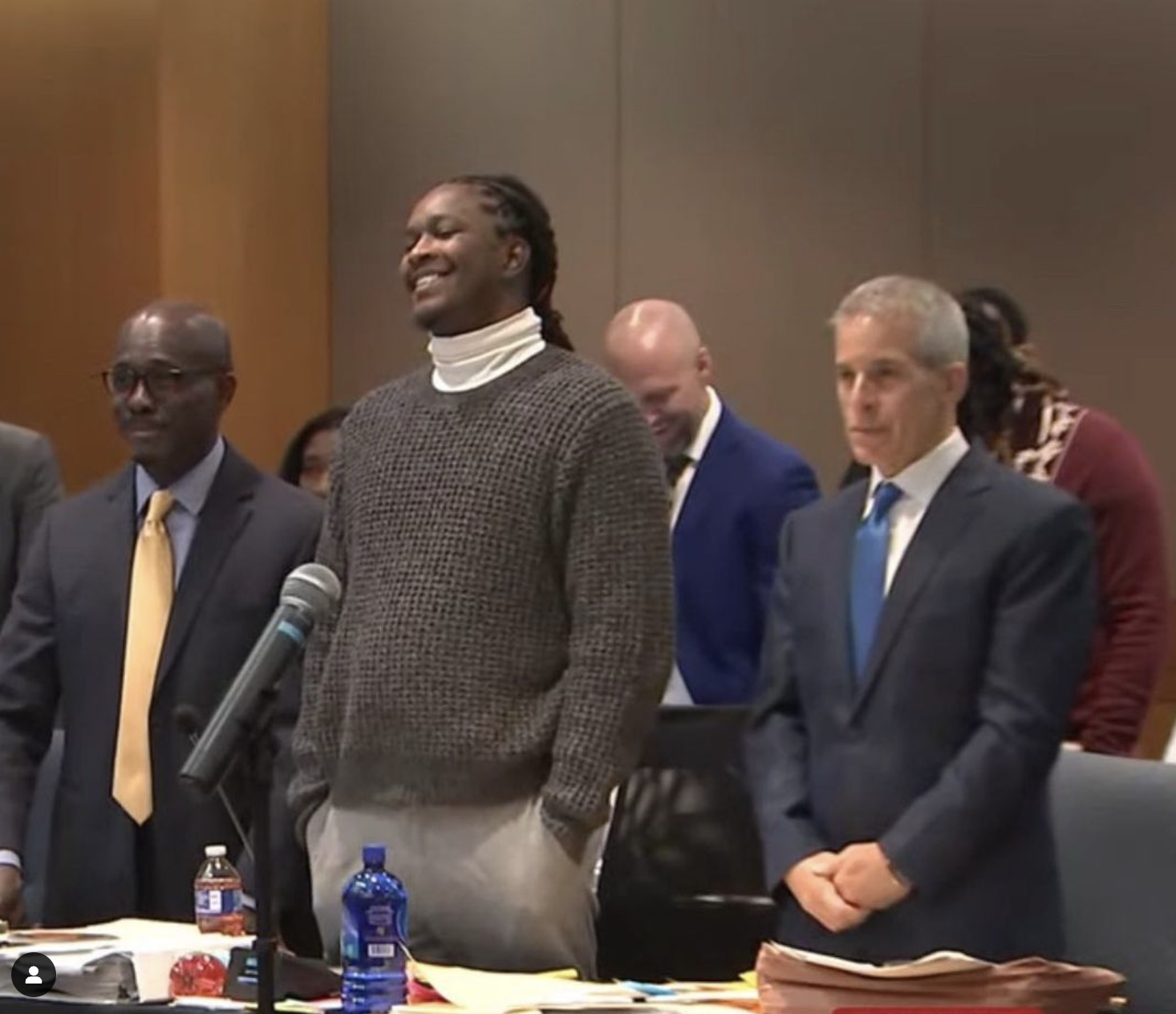
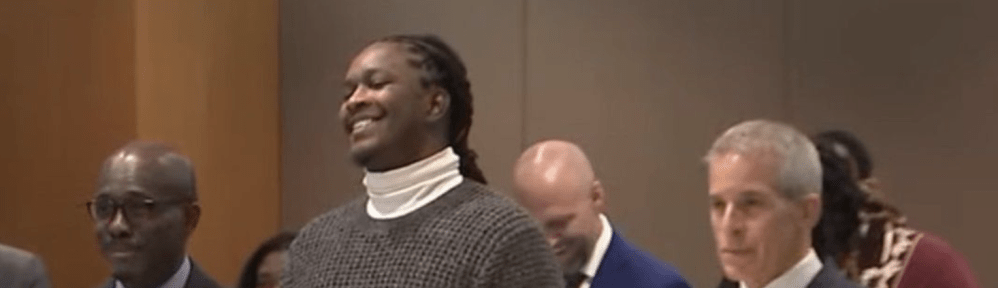
Hip-hop culture stands at a crossroads. Young Thug, born Jeffery Williams, was released from prison after serving two and a half years behind bars due to Georgia’s RICO case against him. Before Judge Whitaker delivered her sentencing – 15 years of probation and specific conditions – Williams shared a poignant statement about his lyrics and influence.
“I understand rap lyrics. I understand how they could be twisted. I understand what they could do to the minds of people… I promise you, I’m 100% changing that,” Williams said. With notable gravity in his voice, he added, “I’m older. I’m grown now. I’m smarter, there’s more things to rap about.”
In many circles, Young Thug is considered one of the greatest of all time. His statement will likely reverberate throughout the industry, marking both a moment of potential redemption and highlighting the complex relationship between artistic expression and legal liability.
History of Lyrics on Trial
Adriane Love, the Fulton County chief deputy district attorney, read Williams’ lyrics in the courtroom, connecting them to real-life events. This practice echoes rap’s early years when the genre faced intense scrutiny.
The criminalization of rap lyrics isn’t new:
- Late ’80s: Ice-T’s “Cop Killer” drew national attention, forcing its removal from Body Count’s album
- 1988: N.W.A received a warning letter from FBI Assistant Director Milt Ahlerich about their content
- 1989: 2 Live Crew released “As Nasty As They Wanna Be”
- 1990: Judge Jose A. Gonzalez ruled the album obscene and illegal to sell
These events led to collaboration between the Recording Industry Association of America, the Parents Music Resource Center and the National Parent Teacher Association to create the Parental Advisory sticker.
The Science of Sound
Scientific research demonstrates music’s profound effect on our minds and emotional states. In Harvard Medicine, Allison Eck writes, “Music also lights up nearly all of the brain – including the hippocampus and amygdala, which activate emotional responses to music through memory; the limbic system, which governs pleasure, motivation and reward; and the body’s motor system.”
These findings validate Williams’ concern about lyrics’ influence on listeners, extending the conversation beyond mere entertainment to public responsibility.
A New Era for Hip-Hop
Williams’ case and statement potentially open doors for transformation while raising questions about artistic expression. His acknowledgment forces artists to consider legal ramifications when writing lyrics.
Lil Durk’s ongoing legal challenges may provide the next test case for using lyrics as evidence. Known for violent narratives and raw storytelling, Durk’s existing catalog could face scrutiny if prosecutors choose this approach.
The Legal Debate
Using rap lyrics as evidence draws both support and criticism. Prosecutors argue lyrics can provide crime insights, while civil rights advocates and defense attorneys contend this practice unfairly targets hip-hop culture compared to other genres.
The Future of Music
Williams’ statement about expanding subject matter suggests broader artistic horizons. His influence could inspire artists to embrace lighter themes, potentially shifting away from trap music, gangster rap and drill – subgenres often associated with violence.
A Cultural Crossroads
Hip-hop emerged from Black and Brown communities’ struggles, using available resources to transform lives and influence global culture. Today, rap music stands as one of America’s most significant cultural exports.
The genre now faces creative challenges requiring new approaches to storytelling. While Williams’ declaration points toward positive change, its long-term impact remains uncertain. Still, his commitment to transformation marks a significant step forward for hip-hop culture.
 Precise
Pingback: From Cash Money to Cultural Currency: Why Lil Wayne Deserves His Super Bowl Moment | Precise